
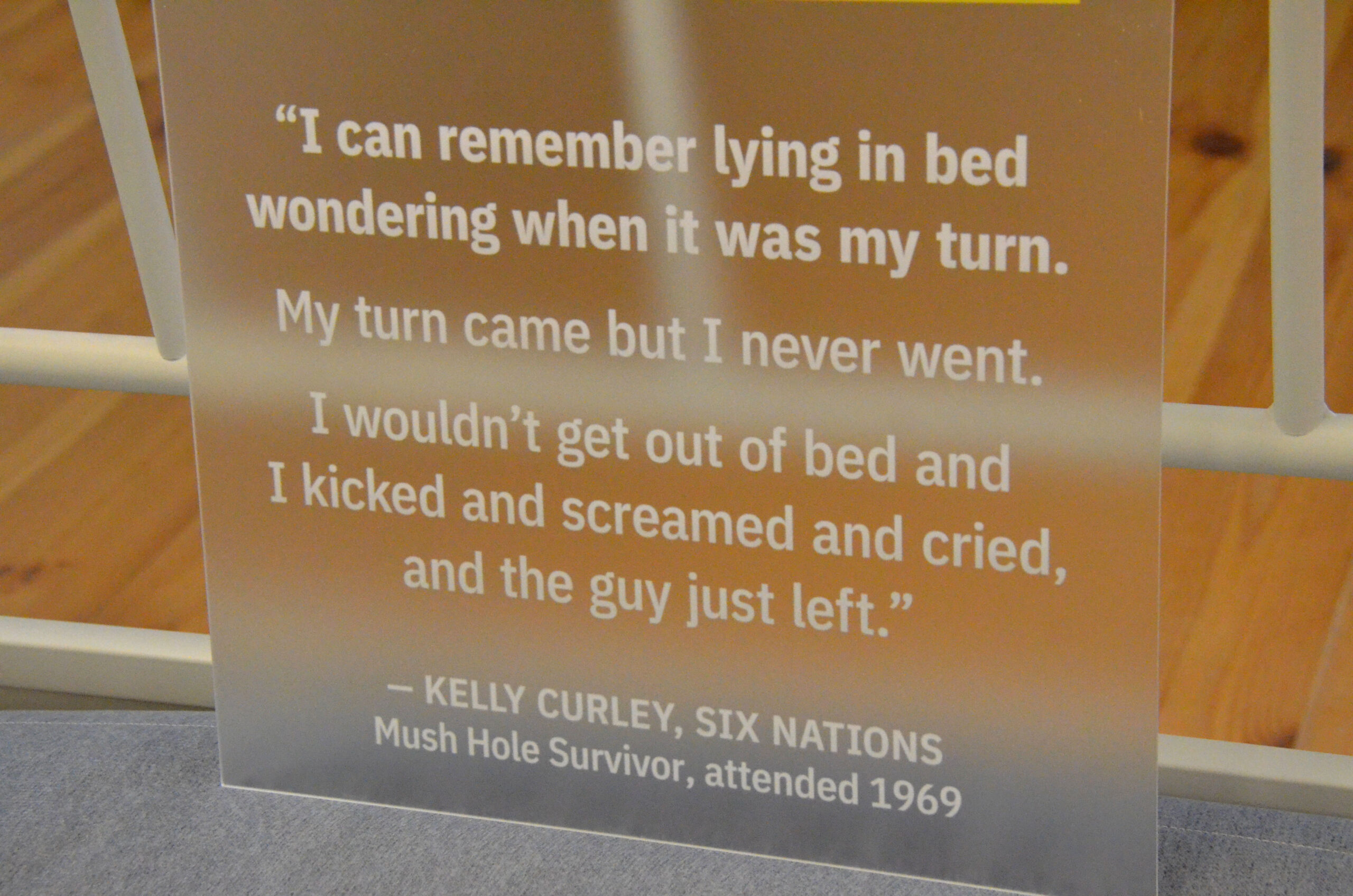
Survivors of the Indian Residential School system will be giving in-person testimonials at the upcoming Permanent Peoples’ Tribunal (PPT) held in Montreal from May 25 through 29, 2026.
In an effort to promote and highlight this significant event, the Survivors’ Secretariat released statements from two survivors of the Indian Residential School system. The statements, one from Leo Nicholas and the other from Roberta Hill, reflect the voices and lived experiences of those who endured the residential school system and who continue to seek truth, accountability, and justice. It highlights the significance of the Tribunal as an international forum recognizing crimes against humanity and genocide committed against Indigenous children and communities.
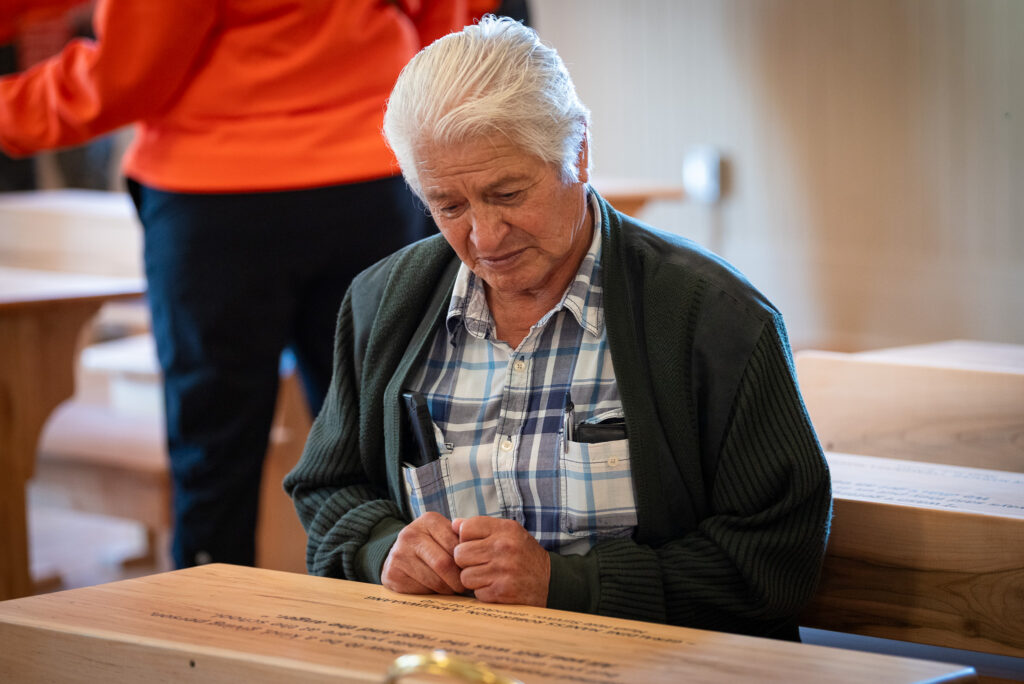
The following is the statement from Leo Nicholas:
“Speaking about my experience at the Mohawk Institute, after years of silence, is part of my medicine. I’m not here to convince anyone or argue with those who doubt or deny the truth. I’ve carried the shame of that place and pain of silence for far too long. Now I am headed to the Permanent People’s Tribunal, to tell the world what we lived through, what I have lived through.
My healing journey began in 1988 when I stopped consuming alcohol. I was too young to understand what was being done to me, the sexual abuse, the beatings, the fear that shaped my early years. The trauma doesn’t stay in the past. I spent a lifetime from those moments onwards learning how to carry it, how to survive it, and how to begin healing from it.
I am going to the testify at the Permanent Peoples’ Tribunal with hope that my voice helps others speak up. Hope that our truths will be heard without denial. Hope that transparency leads to accountability, because when truth is heard, accepted and acknowledged, it can begin to change and correct the systemic discrimination that Indigenous people continue to face.
The importance of the Permanent Peoples’ Tribunal is to speak about what happened to us as children that is not being investigated by the country that said it would “Kill the Indian in the Child.” It puts our reality and our evidence on an international stage. When the world is watching, it becomes harder for Canada and churches to deny, delay, or pretend. For too long, Canada has controlled and limited our ability to name what was done to us and why. It was genocide and the Indian Residential School system was key. We face redacted records, denied access to information, see long delays tied to funding that is needed to continue the work we are leading, while Canada only talks about its commitment to reconciliation.
This is the reality of being Indigenous in Canada. We need to name what happened to us and who did it, otherwise, Canada continues to use policy to lock our peoples in a system focused on ending the Indian problem. For too long, those who harmed Indigenous children, intentionally or unintentionally, have been protected by silence, while those of us survived and spoken the truth have been discredited and called liars.
The Truth and Reconciliation Commission of Canada called Indian Residential Schools cultural genocide. From my standpoint, it was and continues to be genocide. Our children are still being taken. Families are still being separated. The harms we faced when we were children never ended it just changed forms. We are all Survivors, of what Canada has and continues to do to our peoples.
I am testifying at the Tribunal because I refuse to stand silent. I am an old man. I do not have patience for empty gestures and unheard words. I want our children to be safe; I want the child inside me to not be afraid anymore. Let the Tribunal weigh in on whether Canada is guilty of crimes against humanity, crimes of genocide, crimes against children.
Canada the world is watching, will you?”
The second statement is from Roberta Hill:
“I spent twelve years, 1957-1961, in the Indian Residential School institution, and 1961–1969 in the Child Welfare system. They were systems focused on breaking and assimilating children. We were just little kids who didn’t know what was happening, but we knew enough to know we couldn’t go home, could not speak our native language, or learn or practice our traditions, ceremonies or see our parents. We were beaten, abused physically, sexually and psychologically. We lived lives of shame, lives where we were constantly reminded, we didn’t matter.
Canada does not want the world to see Indian Residential Schools as it’s history. The truth is that these institutions continue to shape current systems and policies today. In 2007, nearly 40 years after the last residentials schools closed, and 52 years since I was transferred from the Mohawk Institute into the care of Children’s Aid, the First Nations Child and Family Caring Society and the Assembly of First Nations filed a complaint over the underfunding of child welfare services for First Nations children. Indigenous children represent the highest number of children in state care nationally. In 2016, the Canadian Human Rights Tribunal ruled that Canada’s actions were discriminatory and compensation was ordered. Still, Canada delayed, argued, and resisted.
It was because of this history; there was a class action settlement that resulted in the Truth and Reconciliation Commission and 94 Calls to Action.
For reconciliation to begin, there must be acknowledgement that the history taught about the Indian Residential School system and its legacy is at best incomplete, and in many cases inaccurate. It means naming the harm for what it was. But right now, the truth of this history sits in the control of Canada and not with Indigenous people. It sits in the hands of a nation that has apologized for a past it will not fully disclose, as we, the Survivors of that past, lead the work to uncover the truth about unmarked graves, missing and disappeared children.
This is why I am testifying at the Permanent Peoples’ Tribunal. I need to understand what Canada believes it is apologizing for, because too often it feels as though even Canada does not know. I want to ask Canada to answer the following question. What other race or class of people in Canada is involved in a national search into missing, and disappeared children and unmarked burials, tied to a system operated and funded by Canada? It is time for Canada to step into a space of responsibility and action focused on ensuring the truth of the Indian Residential School system is placed in our stewardship, so we can bring the memories of the children home. Only then we can all understand the basis of Canada’s apology.
I want to tell my grandchildren that I did something because their futures matter. I want the spirits of the children who never came home to know they have not been forgotten, and that the truth of what happened to them will not remain buried.
The world will be watching, Canada, what will you do?”


