
Six Nations of the Grand River 59th Elected Council has issued a statement following concerns from community members about a recently signed agreement with the City of Brantford.
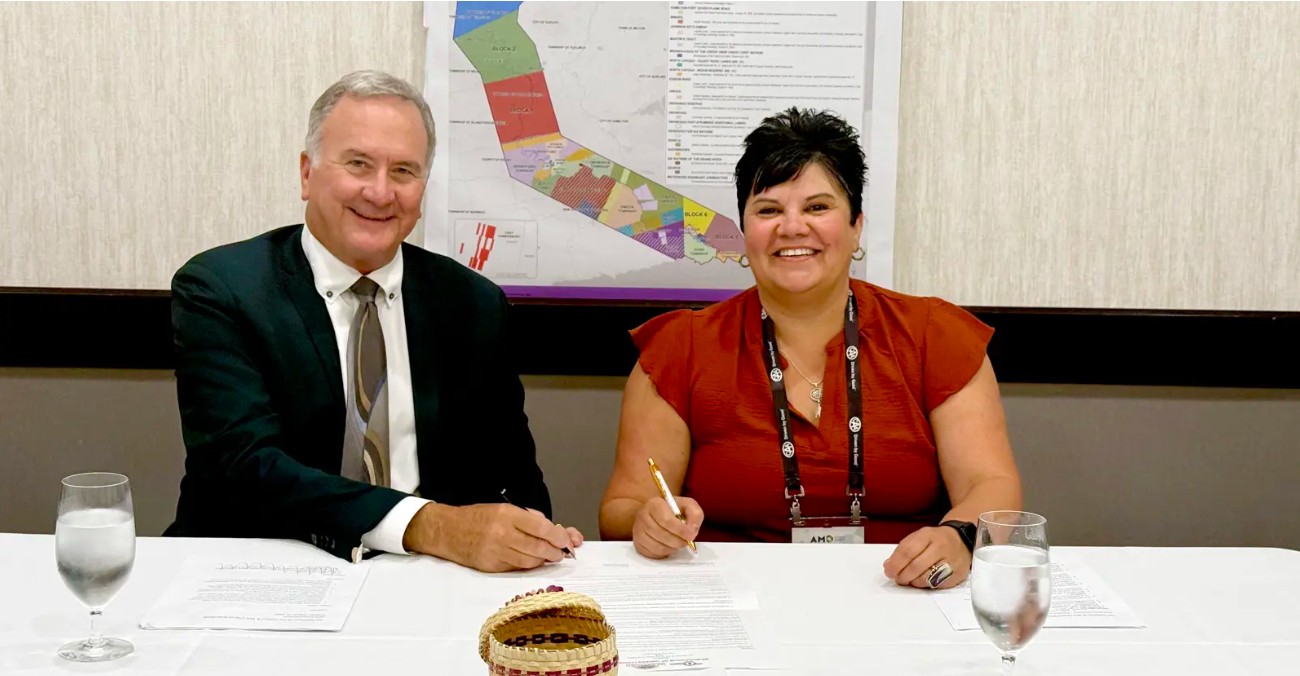
The statement, released Thursday, August 20, 2026, comes two days after Sherri-Lynn Hill, Six Nations Elected Chief, and Kevin Davis, Mayor for the City of Brantford, signed a Memorandum of Understanding (MOU) while attending the Association of Municipalities of Ontario conference in Ottawa last week.
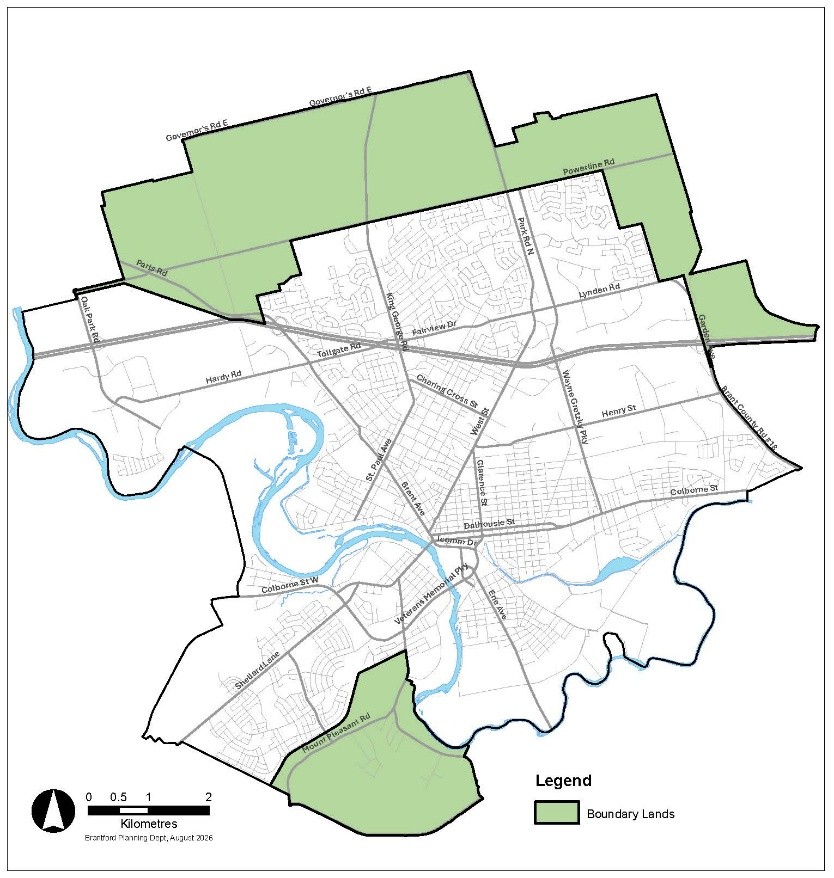
According to the City’s August 18 media release, the MOU “establishes a framework for collaboration and shared prosperity related to future development with Brantford’s boundary lands.”
The boundary lands are approximately 7,563 acres of land that were transferred from the County of Brant to the City of Brantford in 2016 to accommodate future residential, employment and economic growth.
Davis said the signing of the MOU represents an important step in strengthening the relationship between the City and Six Nations.
“This MOU represents an important step forward in our relationship with Six Nations,” he said. “It provides a meaningful framework for collaboration as the boundary lands develop and reflects our shared commitment to building a stronger future together. This is about creating opportunities for prosperity while respecting the history, rights and interests of Six Nations.”
The agreement also includes the establishment of a Six Nations Community Prosperity Fund, which, Hill said, will provide a mechanism for Six Nations to share in the economic benefits to future development within the boundary lands.
“This agreement reflects the importance of continuing to build strong, respectful, and beneficial relationships between Six Nations and municipalities, together,” she said. “The Community Prosperity Fund provides a framework for Six Nations to share in development opportunities on the boundary lands, while recognizing our longstanding connection to these lands and interests.”
The joint statement goes on to say that the two communities will continue to collaborate and pursue the authorities required to implement the commitments outlined in the MOU.
“Additionally, both communities have committed to engaging with one another and with our respective communities through land-use planning and development processes as development on the Boundary Lands progresses.”
Two days after the announcement, Chastity VanEvery, Six Nations’ Director of Communications, issued a statement in response to concerns raised by community members about the MOU.
The statement, which was intended to provide clarification on behalf of the Elected Council, stated that “First Nations in Ontario have no legal way to benefit from development on lands that were once home to First Nations people.”
It added that until nine years ago, “Municipalities in Ontario were able to charge and collect development fees that could be passed onto First Nations in recognition of their historical land interests and inherent rights.”
“Ontario changed this legislation, disregarding First Nations’ rights to benefit from development on Treaty lands that were never signed away, surrendered or given up by First Nations; permitting everyone else to benefit from development, except First Nations,” the statement continued. “In fact, Ontario announced just days ago that they are rewarding Municipalities who do not charge development fees – limiting even further, any possible legal way for First Nations to see benefit from development on our lands.”
VanEvery went on to say that Six Nations and the City have been asking permission from Ontario to do something creative and innovative so that both communities can prosper, but that their efforts were ignored.
The two communities, through the MOU, “will continue to advocate to Ontario to make the necessary legislative changes to right their wrongs,” she said.
The Director of Communications stressed that nothing in the MOU will or is intended to take away from the Treaty, constitutional, or inherent right of Six Nations of the Grand River.
“A Memorandum of Understanding (MOU) represents a shared path forward between two parties that outlines a shared understanding. The MOU does not sell, surrender, or transfer any Six Nations lands, rights, or interests. The MOU is not a final agreement about the Boundary Lands,” said VanEvery. “The MOU is a starting point. It puts in writing that Six Nations and the City of Brantford intend to continue discussions and identify matters that need to be worked through. Before any formal agreement is signed, community consultation will occur. No rights have been surrendered. No final decision has been made.”
On Friday, August 21, the Haudenosaunee Confederacy Chiefs Council (HCCC) officially weighed in on the matter, releasing its own statement to say they did not authorize the MOU.
“The Haudenosaunee cannot and will not accept a framework that reduces our relationship to these lands to an “interest,” an economic benefit, or a seat at the table after decisions concerning development have already been established,” said the HCCC. “Our relationship to these lands does not originate with municipal boundaries, planning processes, or agreements between governments. It is grounded in our responsibilities, laws, relationships, and the longstanding connection of the Haudenosaunee to the land.”
The statement continues, saying that it’s deeply concerning that the actual text of the MOU has not been shared, and called for it to be publicly released.
“The Haudenosaunee Confederacy Chiefs Council has not been provided the MOU and therefore cannot accept claims about what the agreement establishes, what commitments it contains, or what authority it purports to recognize,” said the HCCC. “An agreement concerning lands and matters of such significance to the Haudenosaunee cannot be shielded from scrutiny while simultaneously being presented publicly as a meaningful framework for cooperation and shared prosperity. Transparency is fundamental to a respectful relationship, and the HCCC expects the complete MOU to be made public.”
They continued, stating that “What they conveniently did not announce is the 7,563 acres is unsurrendered Haudenosaunee lands that require the consent of the Haudenosaunee Confederacy Chiefs Council (HCCC) to develop. Anything short of consent from the HCCC will render development of these lands unlawful and will jeopardize any development where we will empower our people to protect these lands from encroachment and theft.”
Kimberly De Jong’s reporting is funded by the Canadian government through its Local Journalism Initiative.The funding allows her to report rural and agricultural stories from Blandford-Blenheim and Brant County. Reach her at kimberly.dejong@brantbeacon.ca.


