
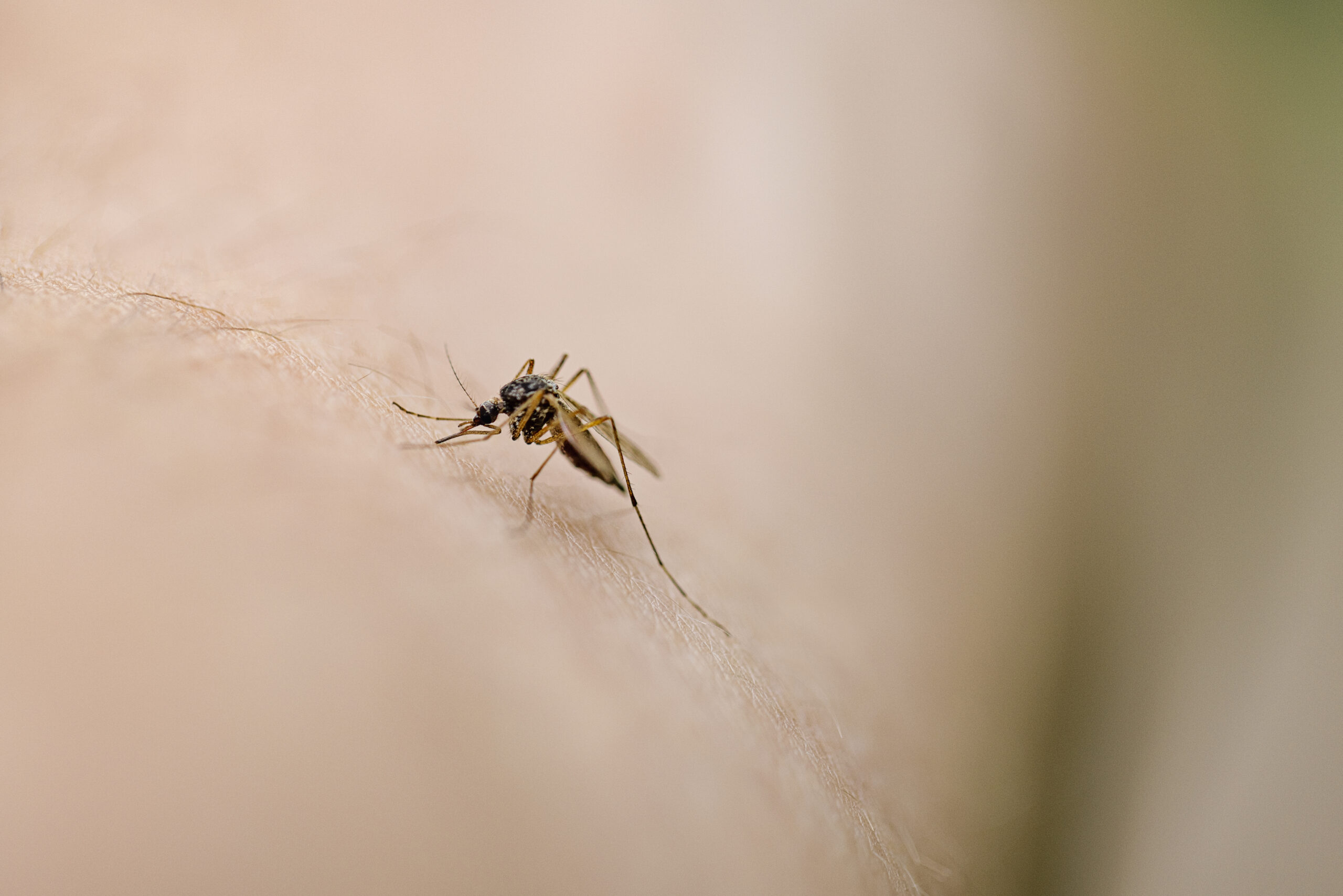
County of Brant Council granted the Grand Erie Public Health Unit permission to treat catch basins and standing water for mosquitos during the regular Council meeting on Tuesday, May 26, 2026.
Communication from Filip Pajtondziev, Manager of Infectious Diseases and Sexual Health at the Grand Erie Public Health Unit (GEPH), requested a letter of permission from the County of Brant to conduct larviciding of catch basins and any other areas of standing water as necessary to reduce local mosquito populations .
The effort is part of the West Nile Virus Surveillance and Prevention program.
Pajtondziev goes on to say that the County’s letter of permission is required by the Ministry of the Environment to issue a permit to the unit’s licensed pesticide applicator.
Speaking about the County’s letter of permission, Councillor John Bell, who serves as Vice-Chair of the GEPH Board of Health, said “It’s a good practice. We’ve done it year after year. I think last year we did actually find a case of West Nile virus, so it is important to keep on doing it.”
The recommendation to approve the item and grant the health unit permission to treat catch basins and standing water for mosquitos, was approved as follows.
“The County of Brant supports local action by the Grand Erie Public Health Unit to reduce the risk of West Nile Virus. As a result, the County of Brant authorizes any permit application for West Nile Virus control submitted to the Ministry of the Environment from an appropriately licensed exterminator, to apply a larvicide into catch basins or surface waters located within the County of Brant. “
According to Public Health Ontario, West Nile Virus is transmitted through the bite of an infected mosquito, and while most people infected with the virus do not show symptoms, others can get fever, head and body aches, fatigue, rash, meningitis or encephalitis.
The Government of Canada adds that West Nile Virus infection can lead to serious disease.
Some people are at greater risk for serious health effects from West Nile virus. These include people over the age of 50, who live with chronic diseases, such as: cancer, diabetes, alcoholism or heart disease, or who require medical treatment that may weaken their immune system like chemotherapy.
Kimberly De Jong’s reporting is funded by the Canadian government through its Local Journalism Initiative.The funding allows her to report rural and agricultural stories from Blandford-Blenheim and Brant County. Reach her at kimberly.dejong@brantbeacon.ca.


