
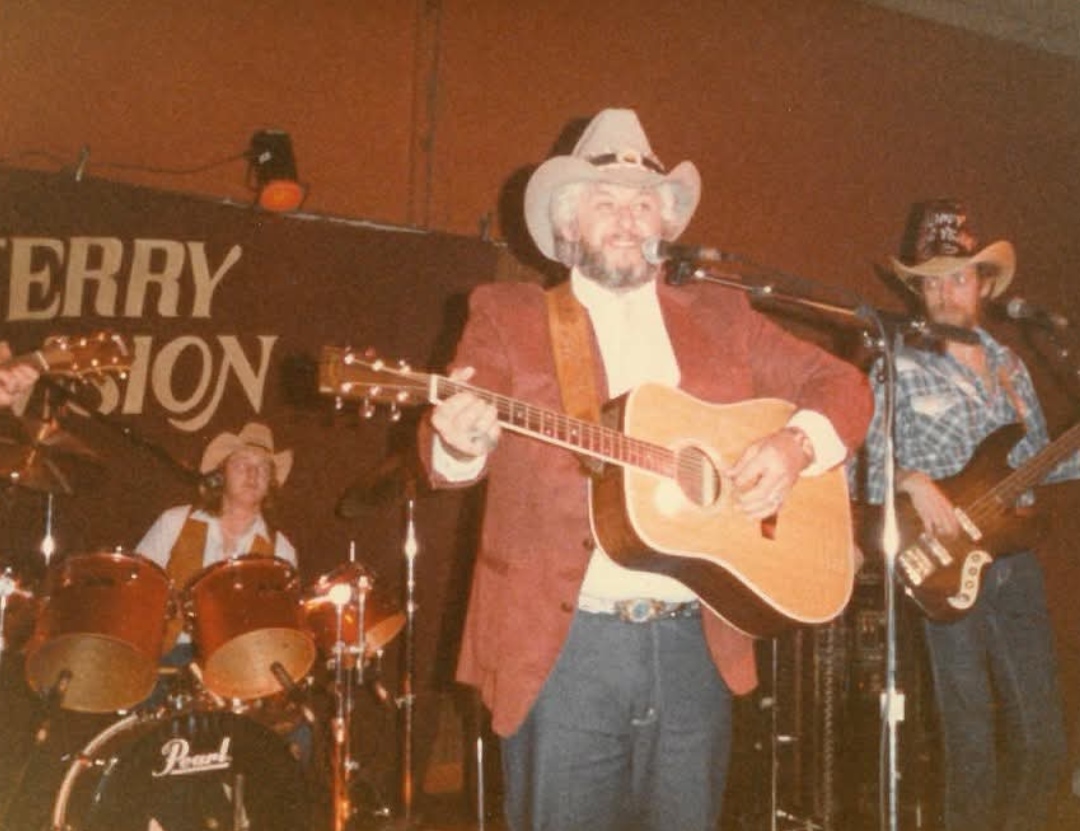
Before his passing in 2011, Terry Sumsion was a popular country singer-songwriter hailing from Burford, Ontario, producing a dozen albums and playing to many fans across Canada. And since then, his legacy has grown, throughout Brant County, not only as a talented musician, but as a person who was dedicated to his community and those around him.
Randy Owen, a popular veteran radio announcer, who got to know Sumsion very well through the years, and became a very close friend with the country music singer, discussed the musician’s life and career.
“Terry was a big, heavy-set guy…[and] there’s a stereotype that big guys are jolly all the time, but Terry genuinely was always in great spirits and fun to be around. He had an infectious smile that could light up a room. He loved music…[and] he would form his own band as a teenager growing up in the Burford area. As an adult, he became a trucker…[which] was really where his exposure to country music started,” Owen said. “Over the years, as the group got [more and more popular] and added great players, they became known as Stagecoach, which served as Terry’s backup band for most of his career. Early on as a singer, he entered a lot of talent contests and won quite a few. In particular, he entered the Canadian Open Singing Contest in Simcoe during the 1970s and became the only male artist to win it three years in a row. BX-93, a major radio station out of London, Ontario at the time, also held an annual talent contest, and Terry won that a couple of times as well.”
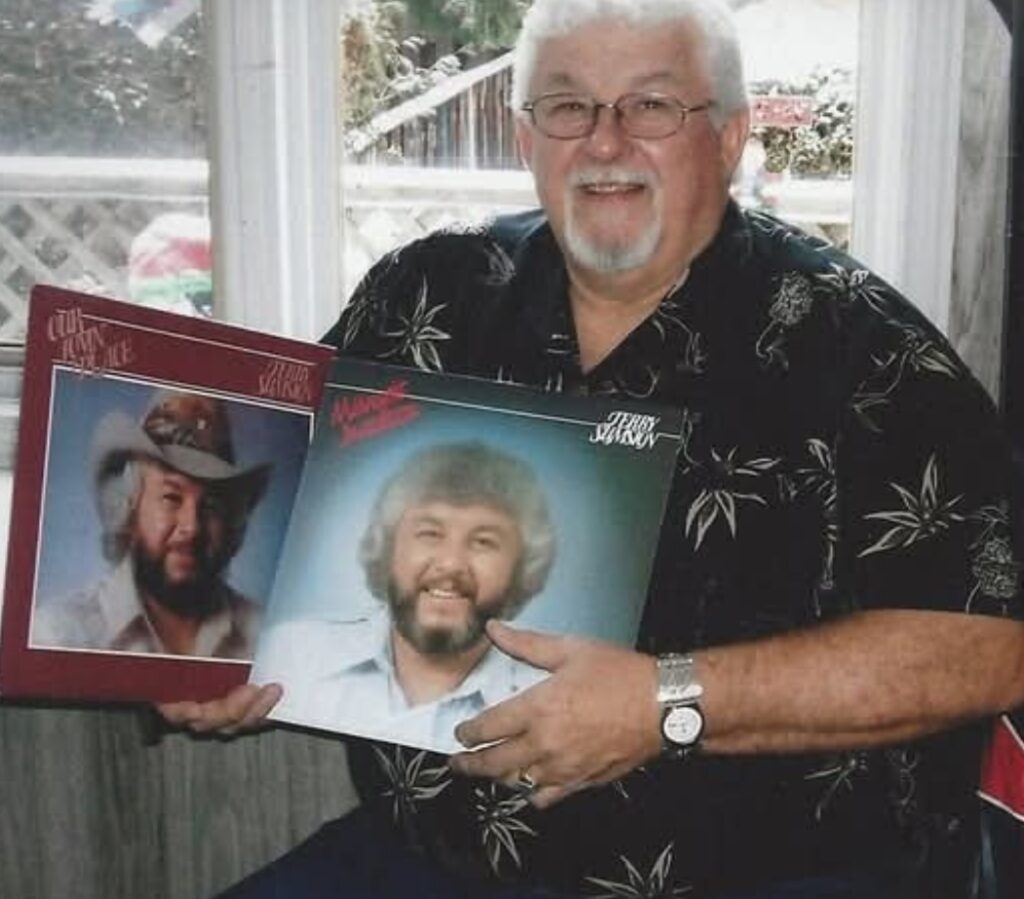
As the accolades piled up, Sumsion became focused on producing an album which involved many talented local musicians as Owen explained.
“Winning those contests really launched his music career. He eventually saved enough money to go into a studio and record his first album, ‘Our Lovin’ Place’, named after a track on the record. A lot of great local area singers and musicians worked on that album [including] Cassandra Vasik, who contributed as a backup vocalist. She went on to have a successful solo career and won at the Canadian Country Music Association Awards. [As well as] Joey May…who was a keyboard player and backup singer from the Woodstock area. Joey was later part of the…band Northern Runaway, who signed a major deal with a Nashville label that unfortunately fell through due to leadership changes. And there was Wayne Heimbecker….a longtime friend of Terry’s and a Stagecoach bandmate who wrote the song ‘Our Lovin’ Place’”, he said. “A lot of people don’t know this, but Terry wasn’t the first person to record that song. Wayne originally got the song to national recording artist Charlie Louvin in the late 1970s, a year or two before Terry recorded it. Charlie’s version wasn’t released as a single and didn’t go anywhere. But once Terry got a hold of it, his unique voice turned it into a huge hit and his signature song. The funny thing is that although Terry originally recorded it as a ballad, he always felt it should have been an up-tempo Western swing song. Years later, shortly before he passed away, he actually recorded an up-tempo Western swing version on one of his final albums. ‘Our Lovin’ Place’ opened a lot of doors. Terry began performing at major concert events across Canada. The song probably should have reached number one, but it peaked at number two nationally. His follow-up album featured the title track ‘Midnight Invitation,’ which spawned a popular music video and broke into the Top Ten across Canada.”
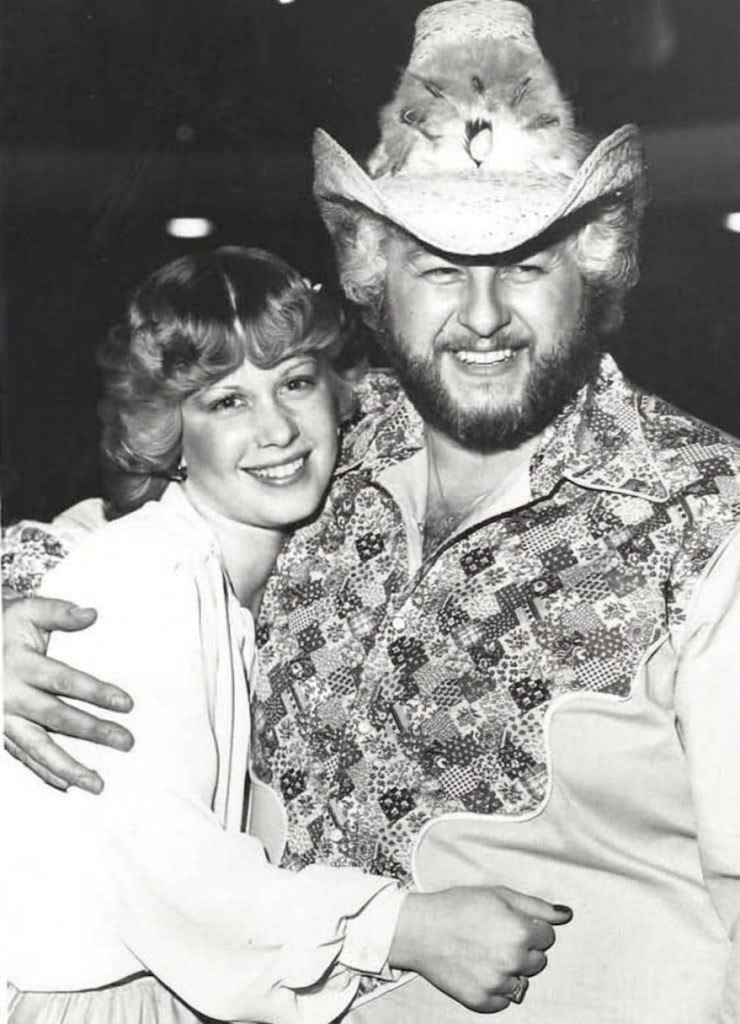
While Sumsion crafted a unique sound, he was influenced by other musicians, even getting a chance to play with several of them.
“As a trucker, Terry listened to and was heavily influenced by traditional country stars, many of whom he eventually befriended. One of them was Gene Watson…who was a major influence and had several hits written by Canadian songwriter Dallas Harms. Gene and Terry became good friends. John Conlee was another influence. In 1984, Terry opened for John at Hamilton Place [and] I remember interviewing John in his dressing room when Terry walked in to say hello. Both of them were big guys, and John looked at Terry, and then looked at me, and joked, “Looks like we cornered the market on space!” Everyone had a laugh. It’s a great memory. [And] Mel Tillis & Faron Young were his other influences. Terry was a huge fan of these icons, got to open for them in concert, and learned a lot about the music business from sitting down and talking with them,” Owen recalled.
However, with these influences, Sumsion continued to hone his craft as a songwriter, getting better and better with every album.
“He wrote a couple of songs on his first album, and while those weren’t major hits, his writing improved significantly over the years. You could always hear that traditional country style in his music. [But] around the time of releasing ‘Midnight Invitation’, he flirted with a modern sound by bringing a saxophone player into the band for a few years, but he mostly stuck to traditional story-songs about life. While he didn’t win major songwriting awards, he received several vocal nominations because his deep, unique voice caught people’s attention,” Owen noted.
Sumsion also had a chance to work with a variety of great musicians during his long career in music.
“Over his career, Terry recorded 12 albums and always surrounded himself with incredible musicians. Doug Johnson was one of them….playing pedal steel guitar on almost all of Terry’s records and was a key member of Stagecoach. Terry became a father figure to Doug after Doug lost his dad at a young age. Doug went on to win CCMA (Canadian Country Music Association) pedal steel guitar player of the year. Another musician was Jason Barry who produced one of Terry’s final albums at his studio in Kitchener-Waterloo. Jason updated Terry’s sound slightly to make it sound more contemporary without losing its traditional core,” he said. “And there was Kenny Post…a former child performer with the Singing Post Family who played drums for Stagecoach and produced some of Terry’s later projects. [And finally, there was also the late] Bill Carruthers….the [original] drummer of Stagecoach….and a close friend of Terry’s who later became the musical director for Casino Rama. Towards the end of Terry’s touring days, he form the Terry Sumsion Trio, with both Bill and Doug.”
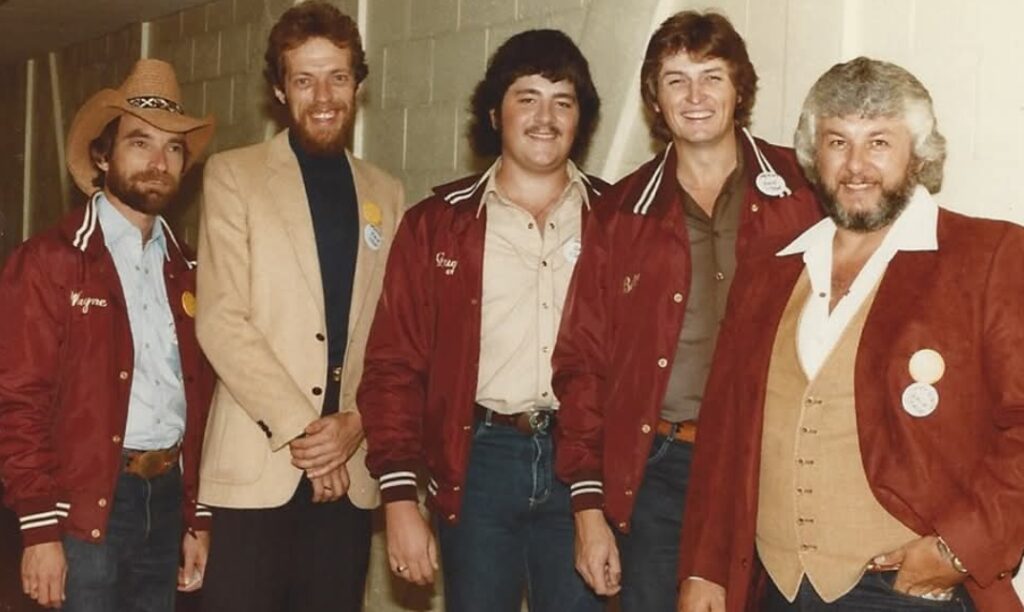
Through the years, the Burford native also took time to help support and mentor other musicians.
“He worked closely with a husband-and-wife duo named Jim and Cindy Dixon. When they recorded their first album, Terry produced it, sang backup vocals, and played on the main track. He was a huge mentor to Jim. Whether an artist was destined to be a big star didn’t matter to Terry; he just wanted to share his knowledge. He also mentored Michael Warren out of St. Thomas, Ontario…inviting him over to his house to jam late into the night. Terry’s family was amazingly supportive of that, willingly sharing him with fellow musicians and fans,” Owen stated. “He also mentored Roger Long from the Tillsonburg area and Bob Derer, a fellow truck driver and country singer….Terry acted as a conduit, taking the wisdom he learned from established Nashville stars and passing it down to local, up-and-coming artists.”
While Sumsion had aspirations to go to Nashville, remaining independent truly reflected his unique musical abilities.
“Making it in Nashville is every country singer’s dream, and Terry was no different. He recorded a few songs over the years there…though I don’t believe he ever played the Grand Ole Opry. Part of what held him back from full Nashville stardom was that the industry in the 1980s became extremely image-conscious. With the urban cowboy craze and the rise of music videos, labels wanted handsome, movie-star types. Aside from a few exceptions like John Conlee, big guys were rarely pushed by publicists,” he said. “Terry knew his size hindered his marketability in their eyes, but he kept his jolly, charismatic demeanor. Ultimately, staying independent was a blessing in disguise. Had Terry signed with a major Nashville label, they likely would have forced him to abandon his traditional style for a polished contemporary sound. By remaining on independent labels, and eventually starting his own record label, he made music on his own terms.”
However, the singer-songwriter, who was nominated for a Juno in 1985, also gave back to the community when he could. And when he was in need, it was there for him.
“He donated his time to countless charities and fundraisers. Back in the early 1980s, he headlined a ‘Coats for Kids’ benefit I helped with. [And] when Terry was diagnosed with esophageal cancer, the music community returned the generosity. Fundraisers were held for him at Jackhammers in Brantford and the Paris Fairgrounds. Performers like Jim and Cindy Dixon, Larry Mercey (of The Mercey Brothers), and Marie Bottrell all came out to perform and raise money for his treatment. It proved that the music industry gives back what you put into it,” he noted.
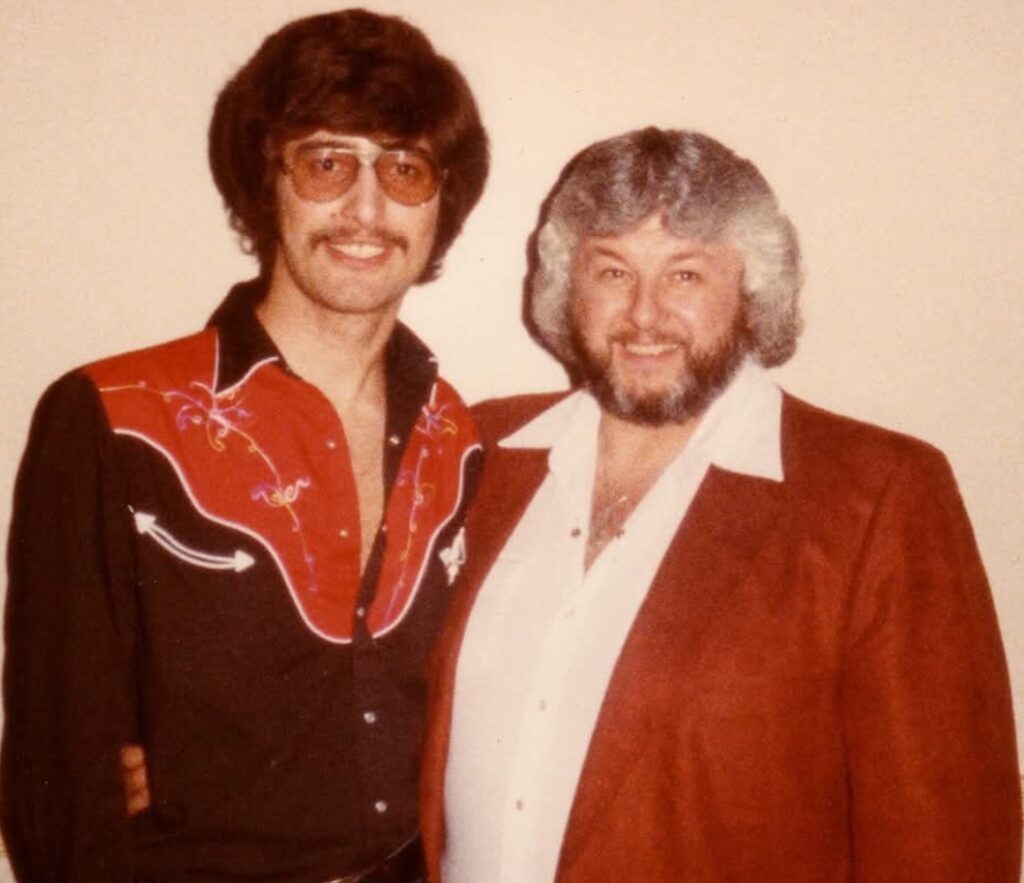
After undergoing major surgery for esophageal cancer, Sumsion worked tirelessly through rehabilitation to regain his voice, while continuing to produce albums, as Owen said.
“Though his voice wasn’t quite as powerful as before, he fought hard to get back on stage and record two final albums, including ‘This One’s for the Fans’ and an album featuring the track ‘Dance with Me’. He also recorded a song referencing his granddaughter, Montana. When the final CDs were pressed, Bill Carruthers drove to Toronto to pick them up and brought them straight to Terry’s house. Terry handed me the very first copy out of the box and signed it,” Owen recalled. “By that point, the cancer had returned. Before we sat down for dinner with his wife, Jeannie….Terry pulled me aside in the living room and asked me if I would write his obituary. As his friend, I couldn’t say no. The night Terry passed away, I was attending a jam session in Tillsonburg, Ontario. Local musician Bob Derer was up on stage performing one of Terry’s songs when Al Ross, a close friend, received the phone call from Jeannie with the news. Hearing his song played live at that exact moment felt fitting.”
While Sumsion became a very popular musician in the community, Owen noted other elements that made him special and continue to maintain his legacy.
“Terry was a small-town boy who never lost his roots. He represented core values of being a good neighbor, treating people with dignity, and sharing his passion for music. He never let industry pressures change who he was [and I] believe his biggest legacy is showing people how to stay true to themselves, and do what they love, while treating everyone with respect,” Owen said.


