
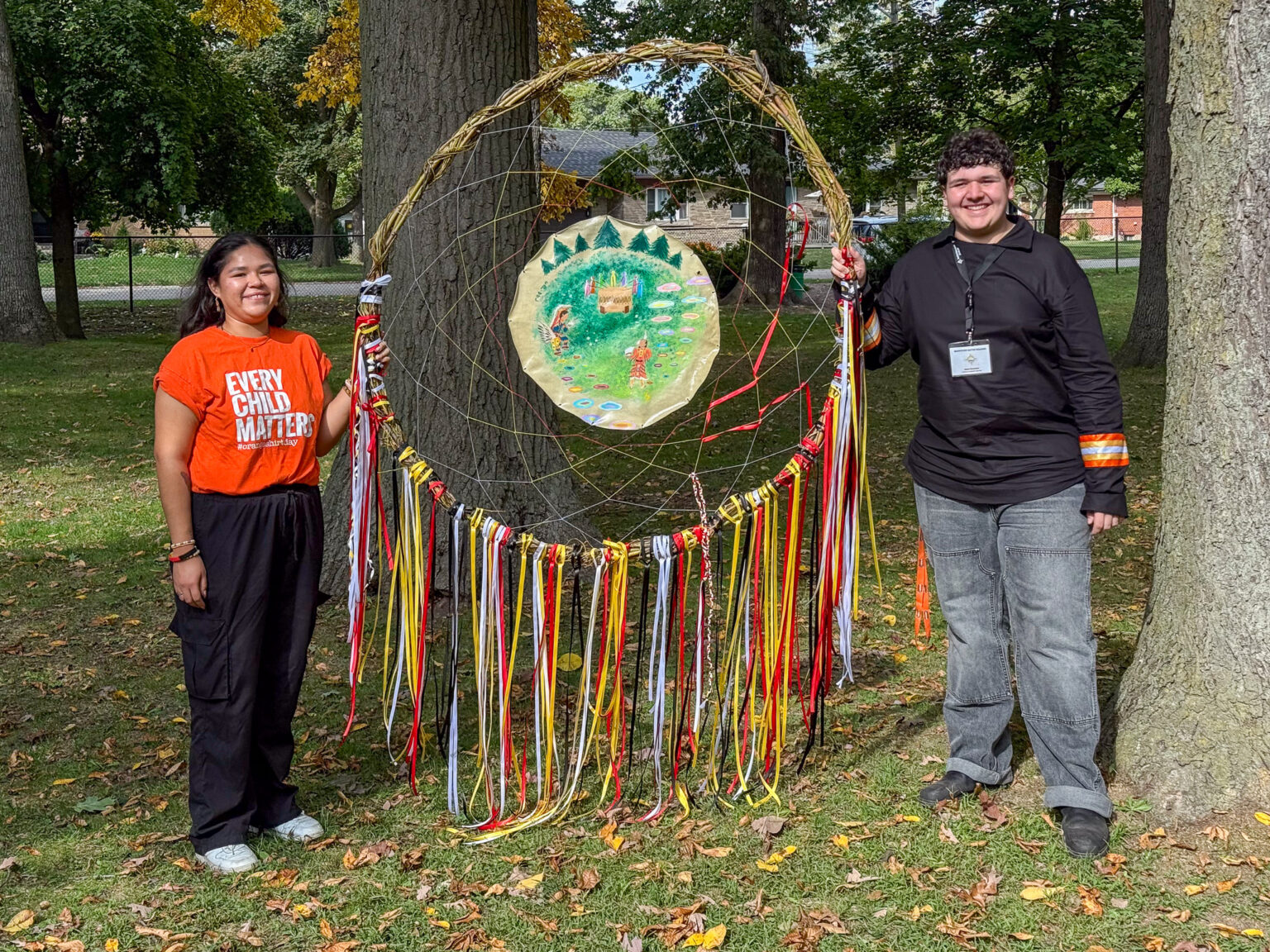
While Brantford Native Housing may be known for providing safe, dignified and equitable housing for the urban and rural Indigenous community within the City of Brantford and the County of Brant, the non-profit also provides a range of outreach support for both Indigenous and non-Indigenous people experiencing homelessness.
Alma Arguello, Executive Director of Brantford Native Housing, said the organization’s community outreach program is often the first point of contact for people experiencing homelessness, trauma or systemic barriers, and often serves as the first step toward permanent housing and improved well-being.
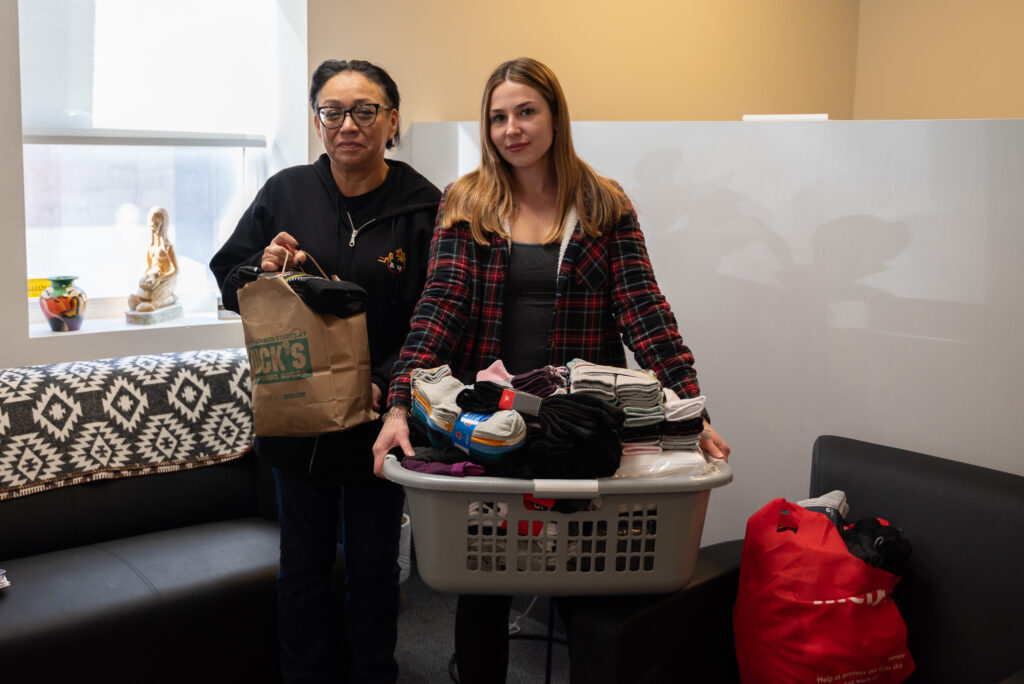
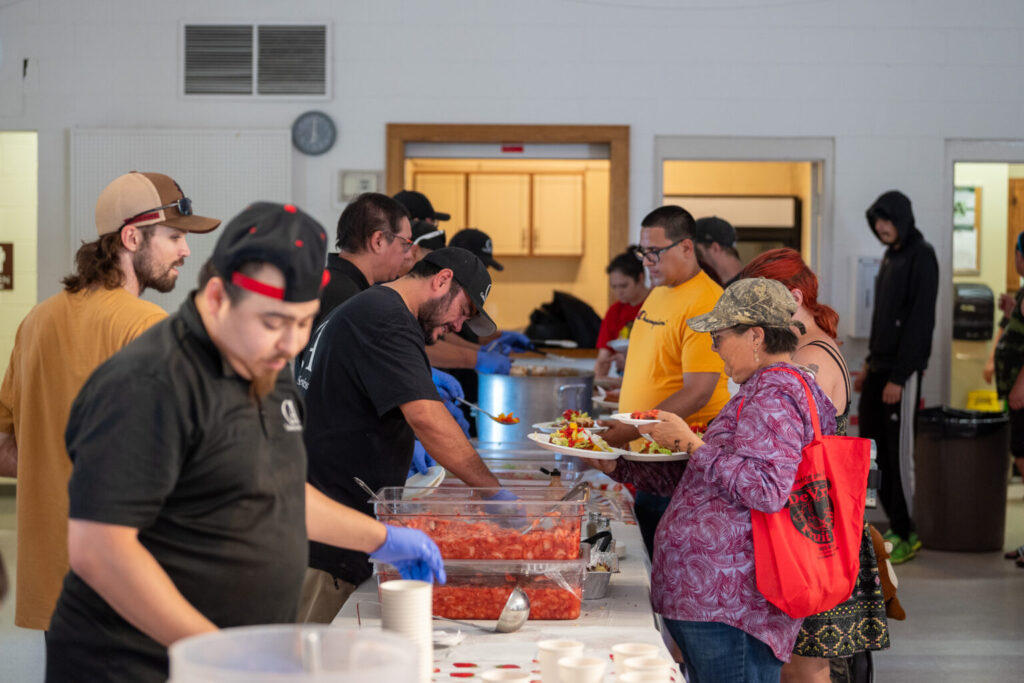
This support includes providing food and clothing, hygiene products, first-aid and harm reduction supplies, referrals to health services, assistance with personal identification and taxes, medical items, safe contraception, and cultural supplies such as traditional medicines including Sage, Cedar, Sweetgrass, Seashells and Bear Root.
When it comes to responding to immediate survival needs, the work is done through BNH’s Homeless Service Window and Journey Van.
“In 2025, we saw record numbers of people accessing our outreach window; between January and December, we provided 16,655 services,” said Claire Rahija, who provides grant and research support for BNH, “That includes giving out snack bags, warm drinks like coffee or hot chocolate, and cups of oatmeal. Even now, this January we’ve already given out 794 cups of oatmeal and 868 coffees and hot chocolates.”
The organization has seen a significant jump in outreach support over the past couple of years from both the housed and unhoused population. Food support requests rose significantly, with over 8,000 requests in 2024, increasing to 12,220 in 2025.
“Those numbers also cover some of the support that we give our tenants too,” said Arguello. “Sometimes they need help with food and groceries and so I always tell them, ‘If you need to make a choice between rent and feeding your kids, feed your kids… we’ll figure out rent’ because that’s what community is all about.”
Requests for hygiene, clothing and seasonal support have also grown. Clothing and seasonal support requests nearly doubled, from approximately 2,300 In 2024 to 4,382 in 2025, while hygiene requests rose from roughly 860 to 1,329.
Rahija said that these supports, along with the outreach team’s humility in building connections, help ensure clients are treated with dignity and respect and often lays the groundwork for providing further assistance by creating a safe space.
“I really applaud our outreach team for their work because they approach it with humility,” she said. “Most of the clients accessing outreach have been homeless for over a year, and there’s a few who have been homeless for over ten years, and I think a lot of times they experience that feeling of invisibility, so it’s important that we recognize they’re people.”
Bethany Creighton, BNH’s street and housing outreach worker, said being able to provide that recognition comes down to team work.
“Getting everybody on the same page with the same goal in mind, makes a big impact. We want things to be consistent with what we’re offering. We want it to be clear with how we’re offering it, and we want it to be available when people need it. We’re always making sure that supplies are stocked up and that it’s always the same person who is either out in the community or at the window. For example, when people come to the outreach window, Chris [Henhawk] typically greets them by name and most of the time he knows their order too. Having a familiar person to interact with makes the rapport a little bit stronger and a little bit less invasive, and is more dignifying for the people who are accessing those supports.”
While Henhawk mans the outreach window, Creighton is the one who is out in the community with the Journey Van connecting with those experiencing homelessness, bringing them snack packs, hygiene products, and clothing, or directing them to BNH and setting up appointments for identification and housing support.
“I go out into the community on Monday, Tuesday, Wednesday, and Thursdays. The only day I’m not out is on Fridays because I go to a city meeting and then I try to just kind of tie up the loose ends and restock everything for the next week,” said Creighton. “But I try to go every day consistently so I can keep tabs on people. Even with those in encampments, I try to let them know when I’ll be back so if they need food or services, they can come back. I think consistency has been helping a lot because it makes people more likely to show up for their appointments, because you’re showing up for them in whatever way you can.”
“When I’m on outreach, I do a lot of verbal work too, so I’ll ask them, ‘Did you hear about this program? Did you hear about the drug or the cold alert that’s going on? Do you know where to get safe supplies?’” she continued. “And when I go out in the van, I always try to bring a little bit of everything to show them what kind of things we can supply them with, and then I find it gives them a bit of confidence to come and get those things from Chris themselves, which is great.”
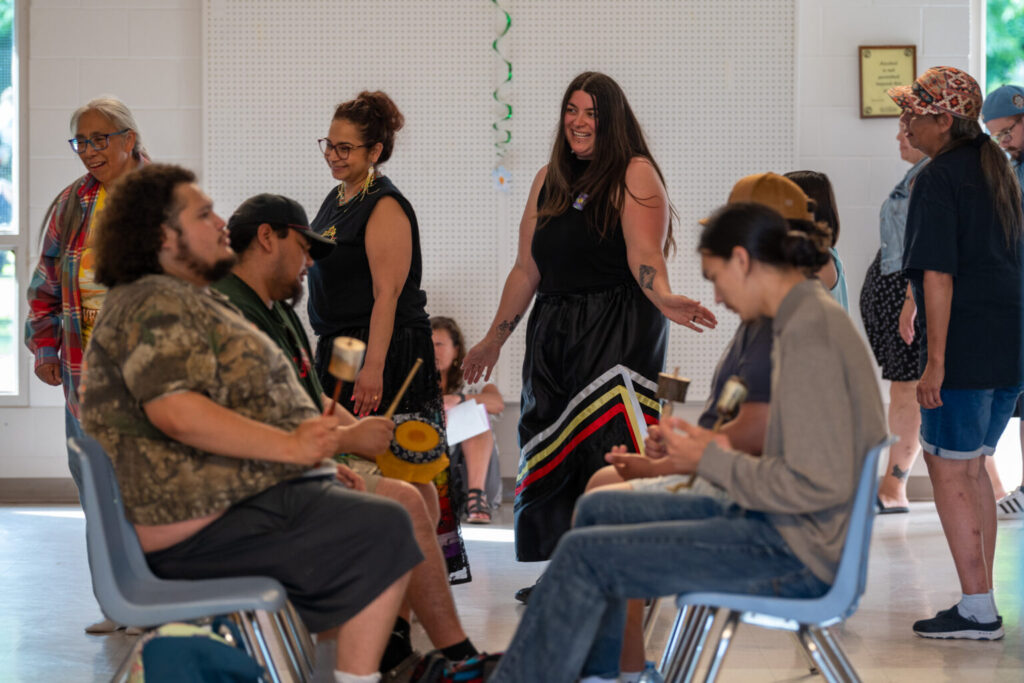
Apart from helping with immediate survival needs, another large part of BNH’s outreach program is providing cultural programming.
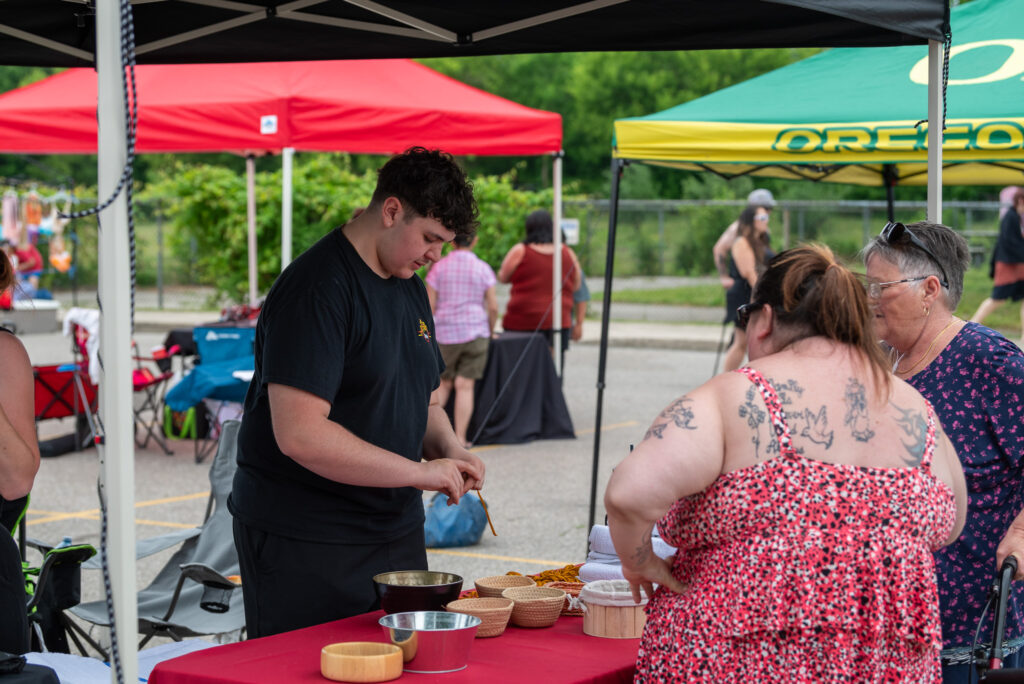
From hosting events like Truth and Reconciliation Day and the Strawberry Social, to partnering with the Woodland Cultural Centre for SEED celebrations, BNH also offers weekly Pow Wow drumming nights, Tuesday evening cultural sessions and workshops, and youth programs in collaboration with organizations like Niwasa. All of these programs help foster identity and build cultural connections.
“In our mandate, it’s about providing safe housing for Indigenous community members. As an Indigenous organization, that’s not just about providing you with a warm roof over your head, but how those wrap-around supports too,” said Rahija. “So incorporating culture and cultural teachings, providing care and support, are all those touch points for connection, and that’s huge for the community, right? It’s not just about having a place to live, but what it means to have a familiar face and a community you call home.”
Both Arguello and Rahija stressed that they wouldn’t be able to accomplish all they do without the community’s support.
BNH often works with local paramedics, the Gihekdagye friendship centre, City by-law, Aboriginal Health, Six Nations Mental Health, Grand Erie Public Health and more.
“We can’t do this work on our own, and we’re not just a housing corporation… we were born out of community, so therefore everything we do has to be with the community,” she said.
Kimberly De Jong’s reporting is funded by the Canadian government through its Local Journalism Initiative.The funding allows her to report rural and agricultural stories from Blandford-Blenheim and Brant County. Reach her at kimberly.dejong@brantbeacon.ca.


