
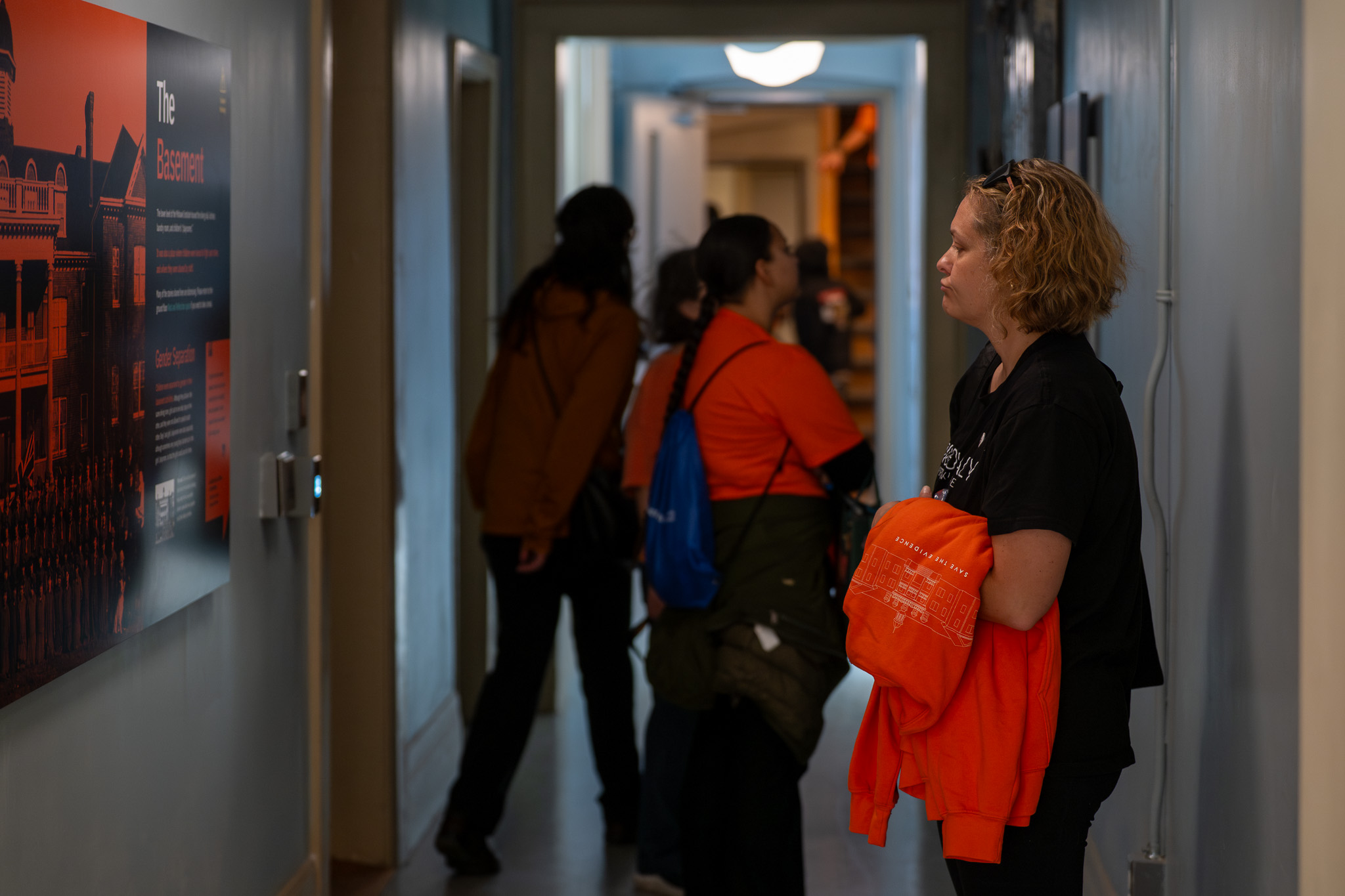
Hundreds of residents and out-of-town visitors gathered at the Woodland Cultural Centre (WCC) and former Mohawk Institute Residential School to observe National Day for Truth and Reconciliation on Wednesday, September 30, 2026.
The Mohawk Institute was the oldest and longest-running residential school in Canada, operating from 1828 to 1970. First established by the New England Company, a British Anglican missionary society, the Canadian government assumed daily operations of the institute in 1929.
The residential school system was designed to assimilate Indigenous children by cutting ties to their language, culture, society and traditions. According to the Survivors’ Secretariat, an estimated 15,000 students from more than 60 communities were sent to the residential school, frequently known as the “Mush Hole.” Many survivors have since shared accounts of the the emotional, physical and sexual abuse endured during their time there. At least 105 children are estimated to have died while enrolled.
After its closure in 1970, the former institute sat unused for several decades, however in 2013, major roof leaks caused significant and costly damage to the building, prompting the WCC to conduct community consultations to determine whether to preserve the site. The response was overwhelming and 98 per cent of those consulted were in support of restoration efforts, leading to the launch of the Save the Evidence campaign.
Now, more than ten years and $26 million later, the former Mohawk Institute has been repaired and preserved to ensure its physical evidence will never be forgotten and serves as an interpretive historic site and educational resource.
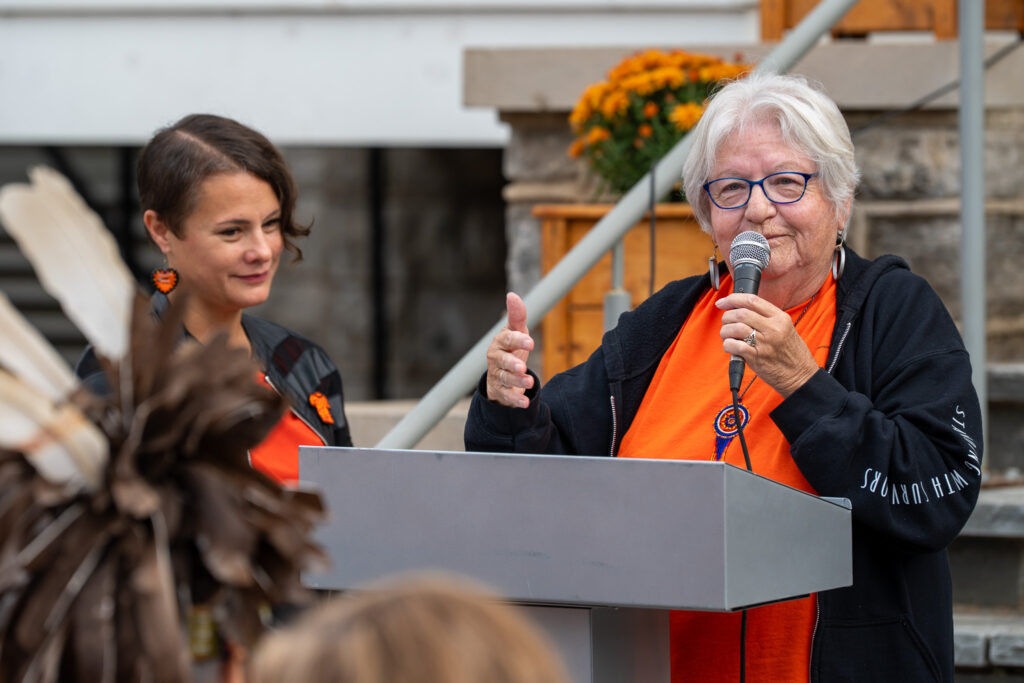
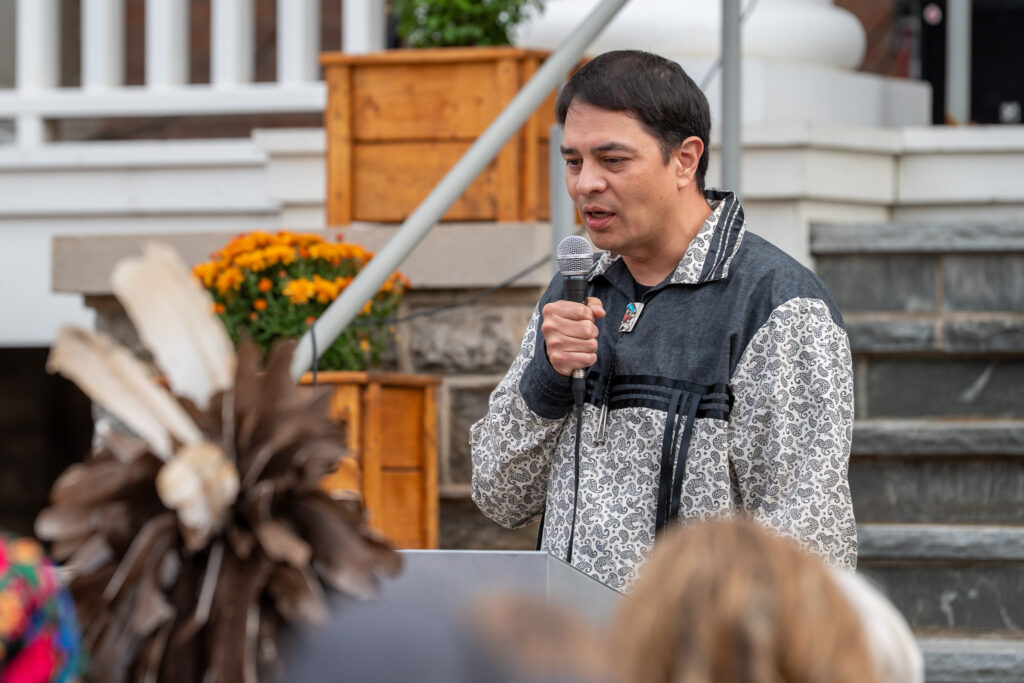
As the event got underway, visitors heard from survivors Dawn Hill and Doug George, as well as Cleve Thomas of the Haudenosaunee Confederacy Chiefs Council.
Thomas, whose own family members attended the Mush Hole, said that while listening to the Survivors and their stories, it made him think about how lucky they are today.
“Where we are today is very, very different. It made me think of my Grandma and what she’s said, and it made me think of how lucky we are today to be able to send our kids to school, knowing that they’re well taken care of and cared about. That our teachers, our language teachers especially, are giving them what they tried to take away here at the residential school. That the push on my mom’s generation to have immersion schools, is why we’re still able to do a lot of things we’re doing today. Those students are now the ones doing our ceremonies, and the ones using language. So I think that today, we walk in a very different light than what our ancestors and our Survivors have gone through, because our kids don’t experience that.”
He went on to emphasize the importance of passing knowledge, identity and history on to younger generations.
“I think people are frustrated because of the Calls to Action and how these things aren’t happening instantly, or at the level that we feel it should be. But we as Oñgwehoñwe’ people, we need to keep doing that. We need to keep making these spaces and little opportunities to inform somebody, to enlighten them of our situation, and to help them understand why we are the way we are and who we are,” said Thomas. “And I think that pushing unity in our community needs to be front and centre, as well as coming together and working towards being who we are as role models. Keep speaking when you’re asked to do something in the community, even if it’s just talking to people and helping them understand. Teaching them is the most important thing, and I just want to encourage everybody to try to fulfill that as best as you can.”
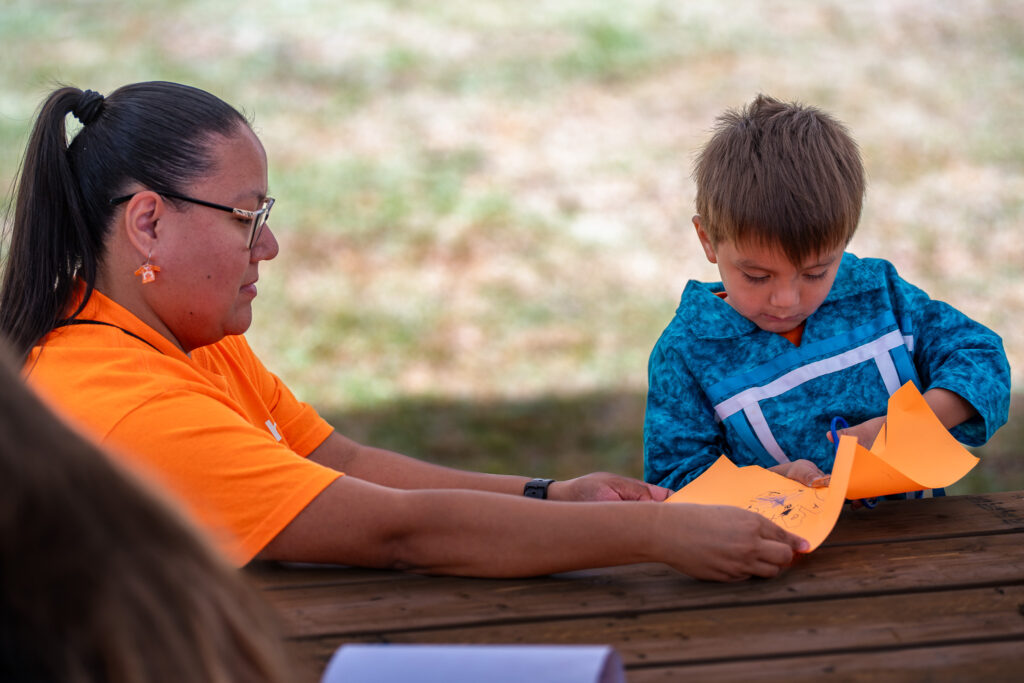
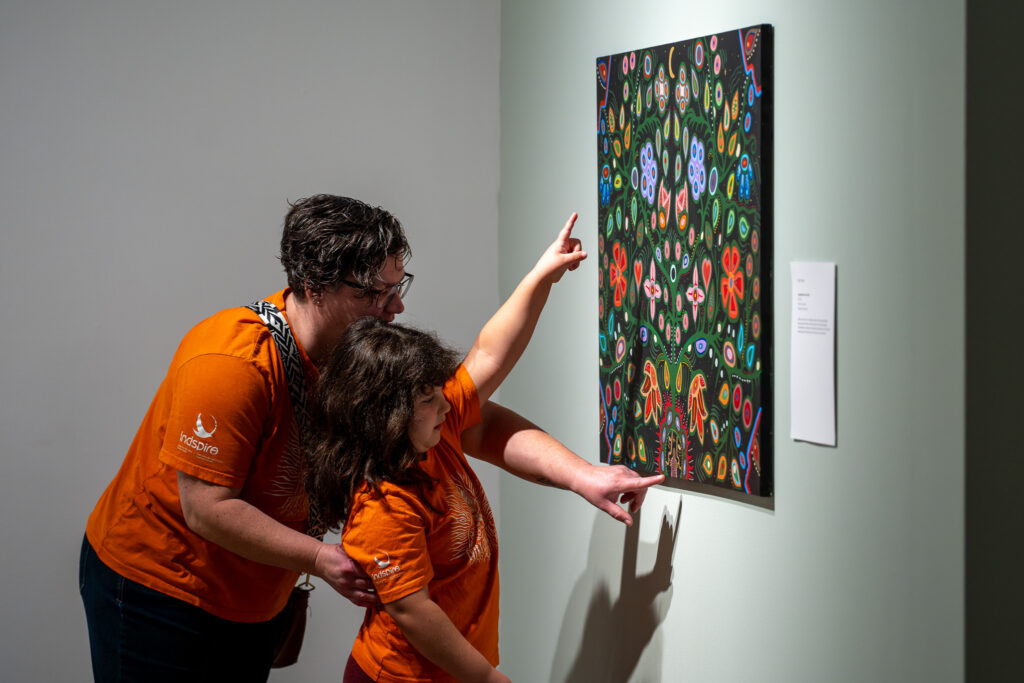
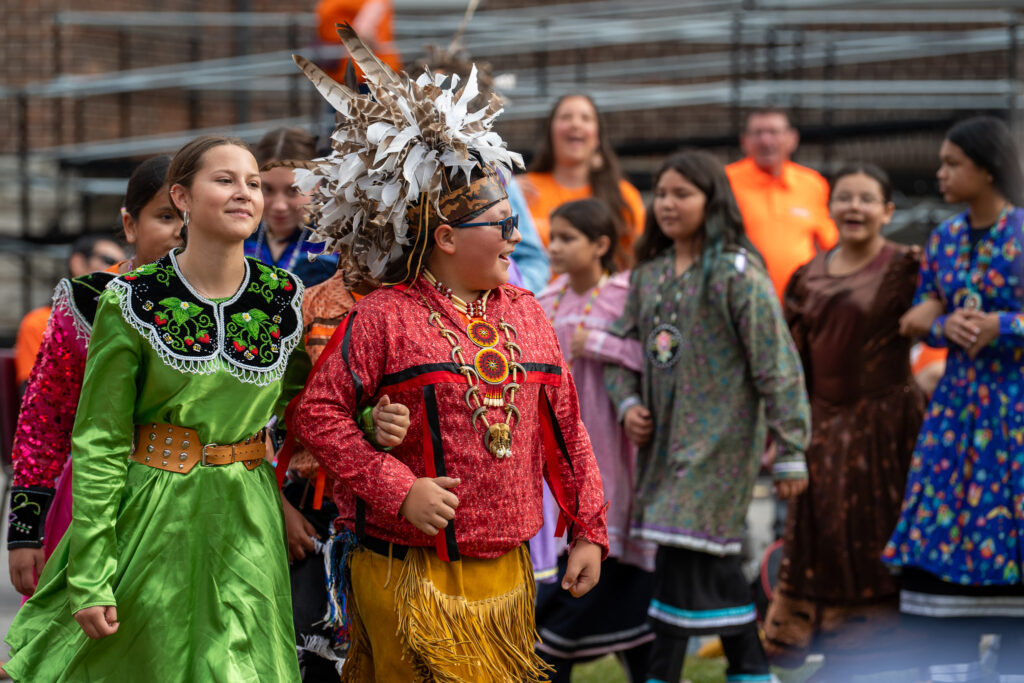
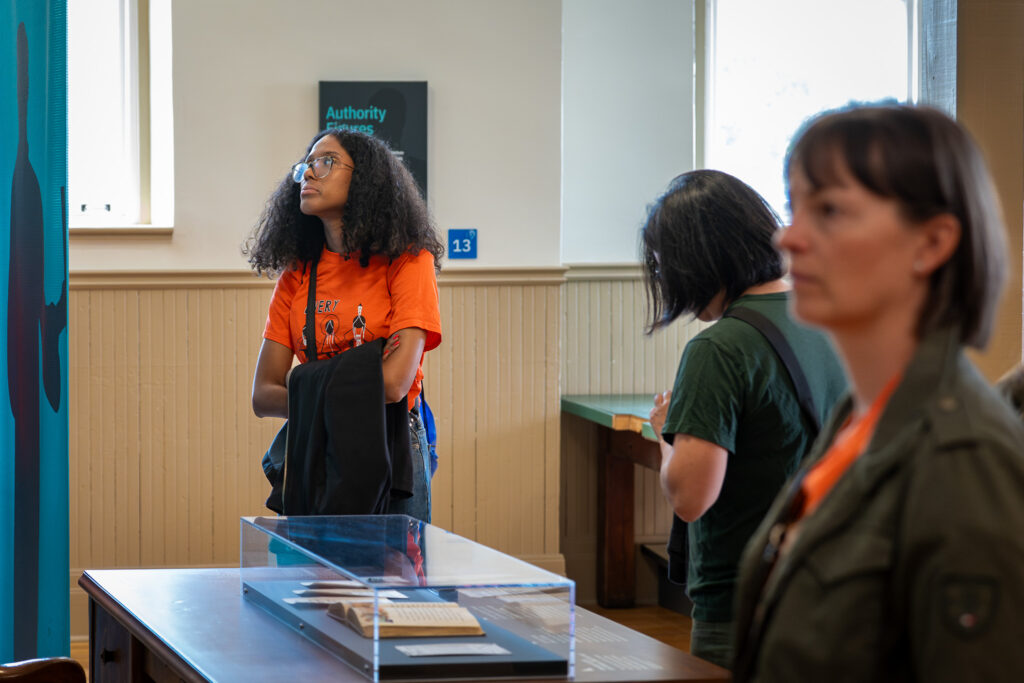
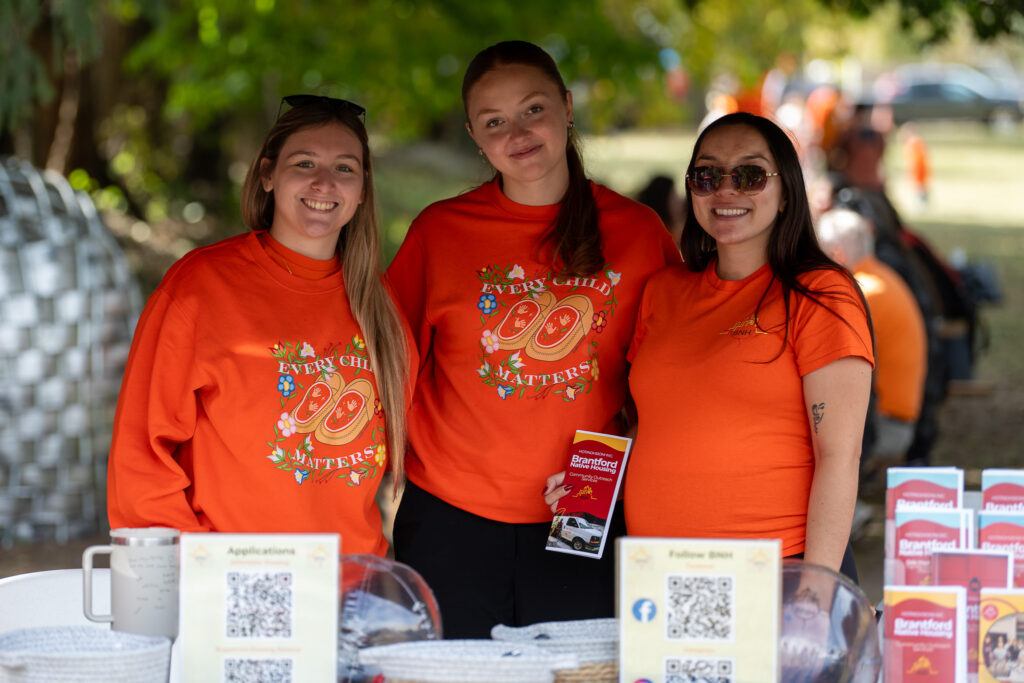
After the speeches wrapped up, attendees took the opportunity to explore the grounds, visiting and supporting the many craft vendors and service organizations on site, participating in small crafts, touring both the former Mohawk Institute and WCC gallery and museum spaces, joining social dances alongside soft-shoe dancers. Others watched various film showings and participated in a question-and-answer session with Survivors Hill, George and Tony Bomberry.
“There’s really many opportunities for people here to meet community members, to meet Survivors, and to really learn, not just what happened to our family members in residential school, but everything we still have,” said Heather George, Executive Director for WCC.
George continued, saying that she hoped visitors, both Indigenous and non-Indigenous, would take the opportunity and the time to learn more about the history of the former Mohawk Institute and the ongoing legacy the residential school system left behind.
“When Doug was speaking, he was talking about how the residential schools are part of Canadian history, how they’re part of the Canadian legal system and its impact on Indigenous people. So I think it’s one of the responsibilities of citizenship for Canadians, to engage with history, both the good and the bad,” she said. “I think it’s really important that we have a space where people can come and bear witness to that history, but also really celebrate everything that we still have and who we are. I think it also really helps to uplift the minds of the Survivors and our community members. And I think it’s really powerful when you have so many non-Indigenous folks that come, as well as the allies and supporters, to take the time to learn and share with us.”
George went on to say that while she was happy with the event’s turnout, she wanted to remind people that reconciliation doesn’t just happen on September 30.
“Folks are welcome to visit us here at the Cultural Centre throughout the year and we have some really powerful exhibitions and programming for everyone,” she said.
Kimberly De Jong’s reporting is funded by the Canadian government through its Local Journalism Initiative.The funding allows her to report rural and agricultural stories from Blandford-Blenheim and Brant County. Reach her at kimberly.dejong@brantbeacon.ca.


