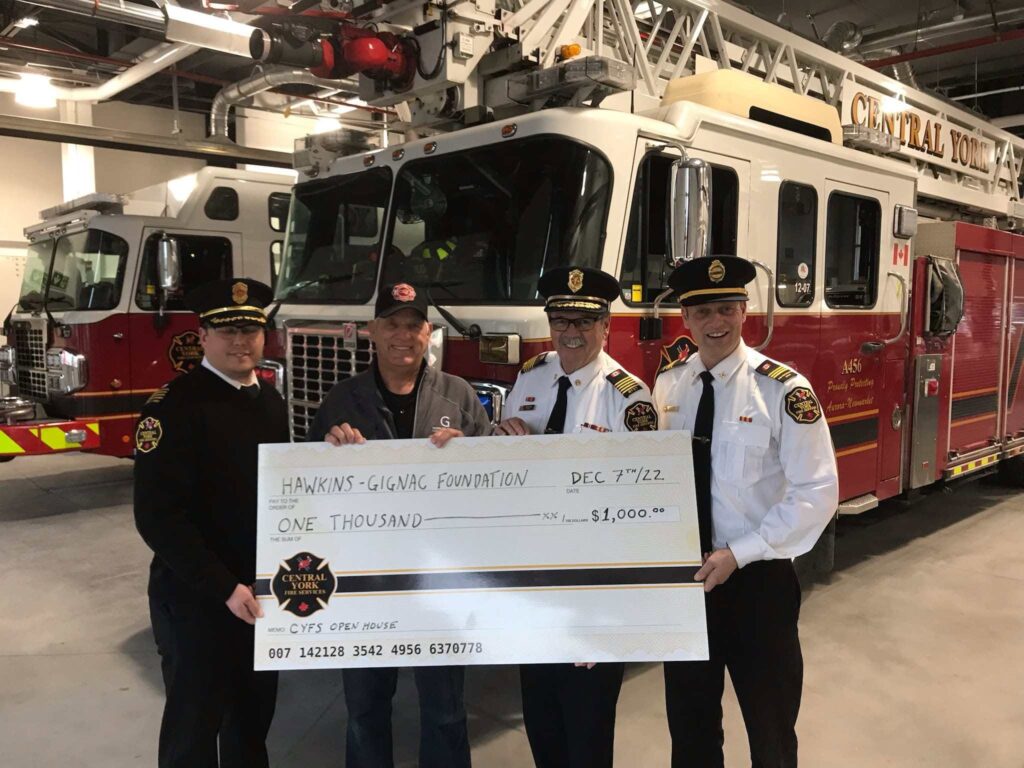
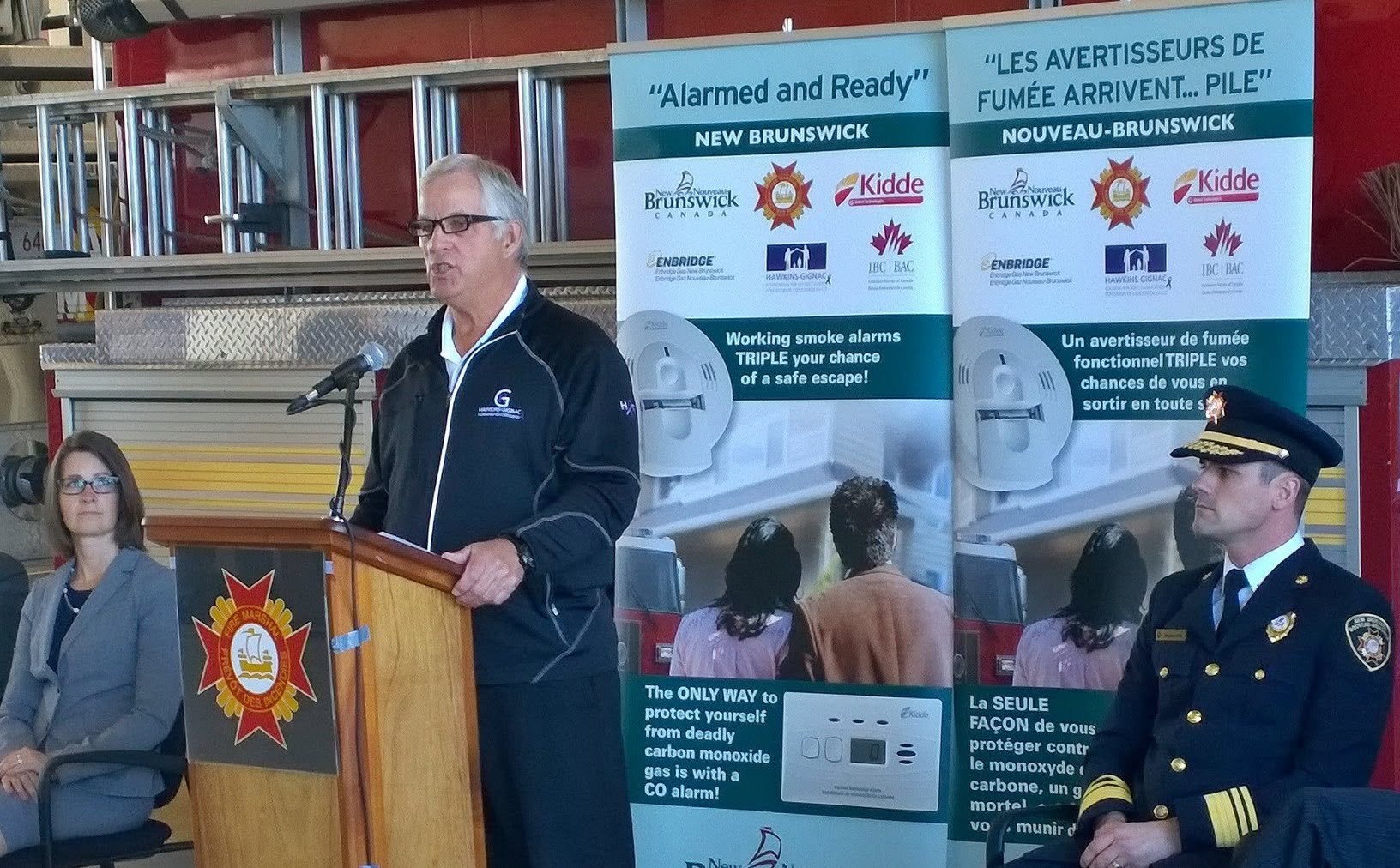
Since founding the Hawkins-Gignac Foundation for CO Education in 2010, John Gignac has been on a mission to educate Canadians about the dangers of carbon monoxide, and in the process, saving lives.
Gignac, who spent 34 years with the Brantford Fire Department, would experience tragedy that would see him dedicate his life to an important cause.
“Just before I retired from the Brantford Fire Department, my niece Laurie Hawkins, her husband Richard, and their two children, Cassie and Jordan, died in Woodstock, Ontario in 2008 because of CO poisoning. Their gas fireplace was backed up, and they didn’t have a carbon monoxide alarm. I felt responsible…given my career [as] I felt I should have been able to warn them. Back then, not many people knew about carbon monoxide…so, I started investigating and [ultimately] founding the Hawkins-Gignac Foundation…and since then, have tried to carry the message forward in their honor to save as many lives as possible,” he said.
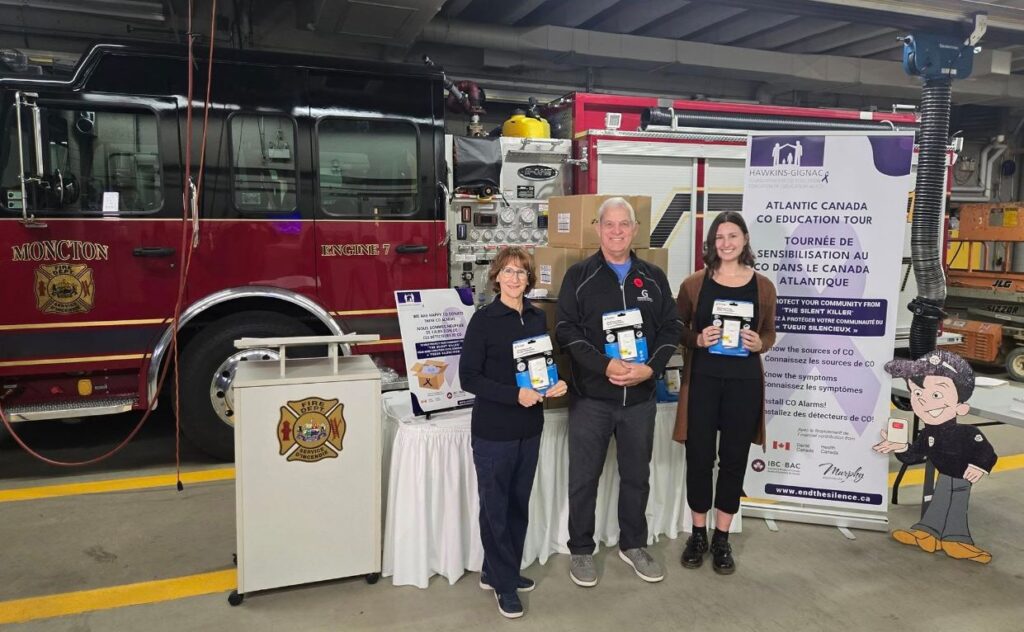
However, in Gignac’s research, he discovered some realities.
“I found out very few people knew anything about carbon monoxide. It is a toxic gas created by carbon-based fuels burning in your home….such as gas fireplaces, gas stoves, and water heaters. Years ago, people often mistook carbon monoxide poisoning for the flu because it emulates flu symptoms, minus the fever. Once awareness grew, we were able to work with alarm manufacturers to get CO alarms into homes. Since then, emergency calls and fatalities from carbon monoxide have decreased,” he noted.
In 2014, a major milestone for the organization happened when Gignac led the charge to get the Hawkins-Gignac Act passed.
“I felt the only definitive way to get the message out was through government legislation. We started in 2009, and it took until around 2014 to get it passed. I traveled to Queen’s Park…70 times to lobby the government. I worked with Ernie Hardeman, MPP from Woodstock who knew the family and championed the bill for me. But, a life-saving measure like that should have taken six weeks [ended up taking] six years because every time we got close, the government would prorogue or break for summer, resetting our bill to the bottom,” he explained. “Finally, after six long years, I delivered a passionate presentation at Queen’s Park, and they officially passed the law. I felt very proud, but mostly happy for my family because it created a meaningful legacy out of our tragedy. The law was named in honor of my niece, Laurie, who was an OPP officer, and her family. It allowed us to carry their memory forward in a way that protects others.”
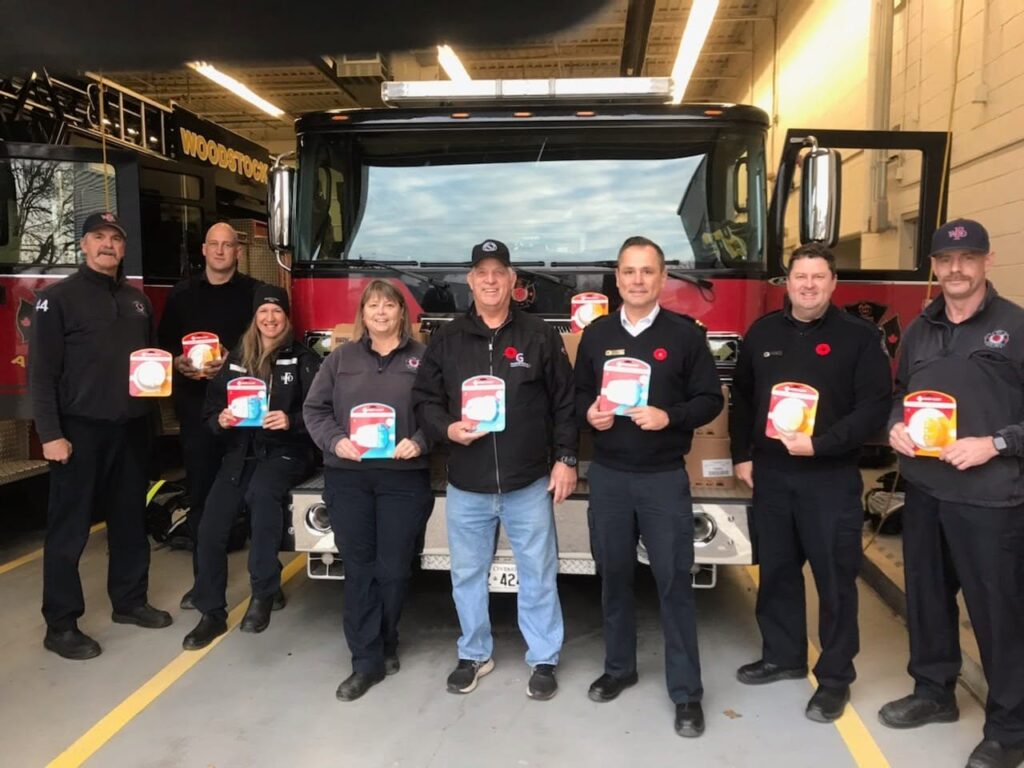
Based on Gignac’s years of advocacy, there have been multiple steps that people have continually overlooked in order to ensure their safety against carbon monoxide, which is known as the silent killer.
First of all, we need to get people to change the batteries of their detectors on a regular basis and secondly, it’s also important to understand that there is lifespan for these units. Alarms are only good for seven to ten years, whether hardwired or battery-operated. I’ve been in homes where alarms are 20 years old. And lastly, people need alarms on every floor of the home. Fifty years ago, you had four to six minutes to escape a home fire…[but] now you might only have one to two minutes,” he stated. “Carbon monoxide is truly the silent killer…because without an alarm to notify you, you’ll never know it’s there. I remember right after the law passed, about 2.5 million detectors were sold in two days, yet over time, public urgency has eventually waned. The most frustrating part is that people often wait for a tragedy to happen before taking action [and] I am trying to prevent that grief before another family suffers.”
Along with having proper carbon monoxide (along with fire alarms) there are several other safety protocols that homeowners need to know.
“We advocate three key rules. First, have your fuel-burning appliances checked by a qualified technician at least once a year. Second, ensure alarms are functioning and installed on every level of your home…and third, learn to recognize the symptoms. Fresh air relieves carbon monoxide poisoning, but it does not cure the flu. If you feel sick inside your house but feel better as soon as you step outside, carbon monoxide is likely present,” he said.
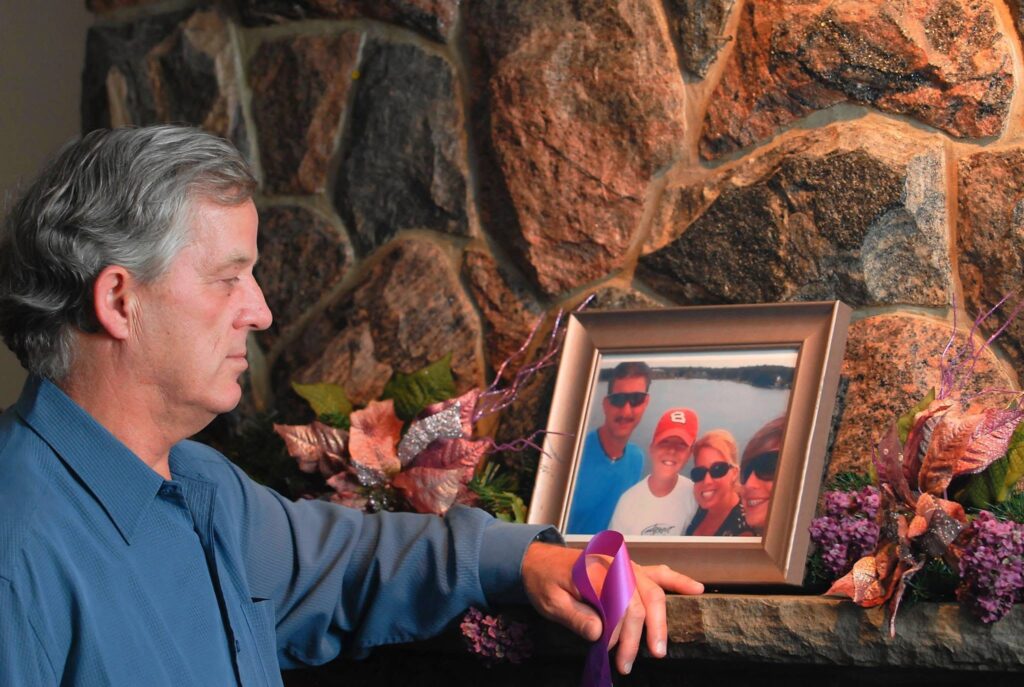
Since launching the organization and setting up the End the Silence website, the retired Fire Captain has come across many heart-breaking stories, which has reinforced the importance of understanding the dangers of carbon monoxide and having the appropriate detectors.
“There are so many incidents across different provinces in Canada. One story from Regina, Saskatchewan, is when a 17-year-old boy and his girlfriend were parked in his car. The exhaust fumes leaked through holes in the floorboards while the car idled overnight, killing them both. At a French River cottage, a father and his ten-year-old son were camping, but slept in their van due to rain. A portable propane cooler running inside the sealed vehicle produced fatal levels of CO, killing the boy. People operating generators outside also often leave nearby windows cracked, causing exhaust fumes to seep directly back into the home. Another story I came across was when a mother and daughter who were staying overnight on a boat at Lock 42 along the Trent-Severn Waterway system suffered severe CO poisoning when a loose exhaust fitting redirected heater fumes inside. Luckily, the father arrived early the next morning and rushed them to the hospital,” he said.
However, there have been other positive outcomes through Gignac’s dedicated efforts over the years especially in raising funds to donate over 30,000 CO alarms to fire departments for families in need across Canada.
“In August 2023, I drove down to Prince Edward Island after receiving a letter from a volunteer fire department in Victoria by the Sea. They operated out of a converted garage with a 1958 pumper truck and lacked resources…[so] I gave them a supply of donated smoke and CO alarms. A month later, the fire chief called me…to tell me their volunteer firefighters had gone door-to-door giving these alarms to people…and in one particular case…they installed these alarms for an elderly couple. Two days later, during a power outage, the husband ran a generator outside near an open window. When the newly installed CO alarm sounded, they evacuated and went to the hospital for CO exposure treatment. Those donated alarms saved their lives,” he noted.
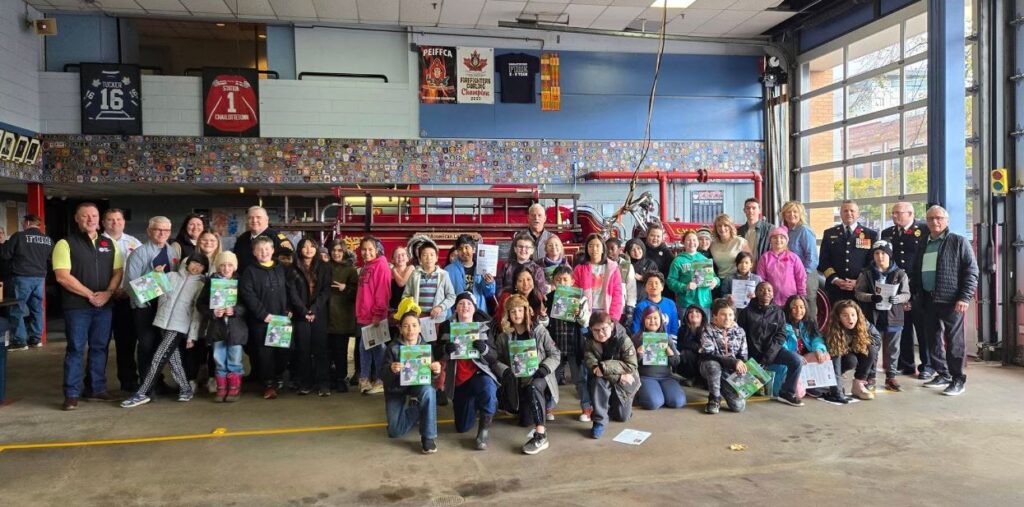
Nevertheless, one of the cornerstones for the organization’s attention has been Gignac’s willingness to connect with the media while educating the public.
“In over 17 years, I’ve done roughly 100 TV appearances [along] with hundreds of radio interviews across the CBC, CTV, and regional stations nationwide…[as well as] countless newspapers in Canada. We also created an educational tool for young children called Ricky the CO Safety Ranger [which is] a coloring book that teaches kids simple actions like getting outside and calling 911 when an alarm sounds,” he noted. “In 2020, our foundation was awarded the Order of Ontario for our lifesaving advocacy and educational work across the province…which I am very proud of because we are doing the important work in reaching people and making a difference.”
While the Act has been a key aspect of Gignac’s advocacy, a lot of work still needs to be done.
“People need to be aware of recent legislative changes. Previously, regulations only required a CO alarm outside sleeping areas. As of January 2026, Ontario law mandates a carbon monoxide alarm on every floor of a residence. Also, I educate people on being cautious in buying unbranded detectors online that lack proper CSA safety certification markings. Also, if an alarm sounds, do not open windows to ventilate the home yourself, as opening windows dissipates the gas and makes it harder for firefighters to trace the leak source. Simply evacuate everyone immediately and call 911,” Gignac explained. “On a national level…federal legislation remains a challenge, so we continue pushing province by province. The Yukon passed legislation even before Ontario did following a local tragedy. While fundraising as a small non-profit is difficult without major corporate sponsors, private donors and community support keep us going. Saving even one life makes all the work worth it.”