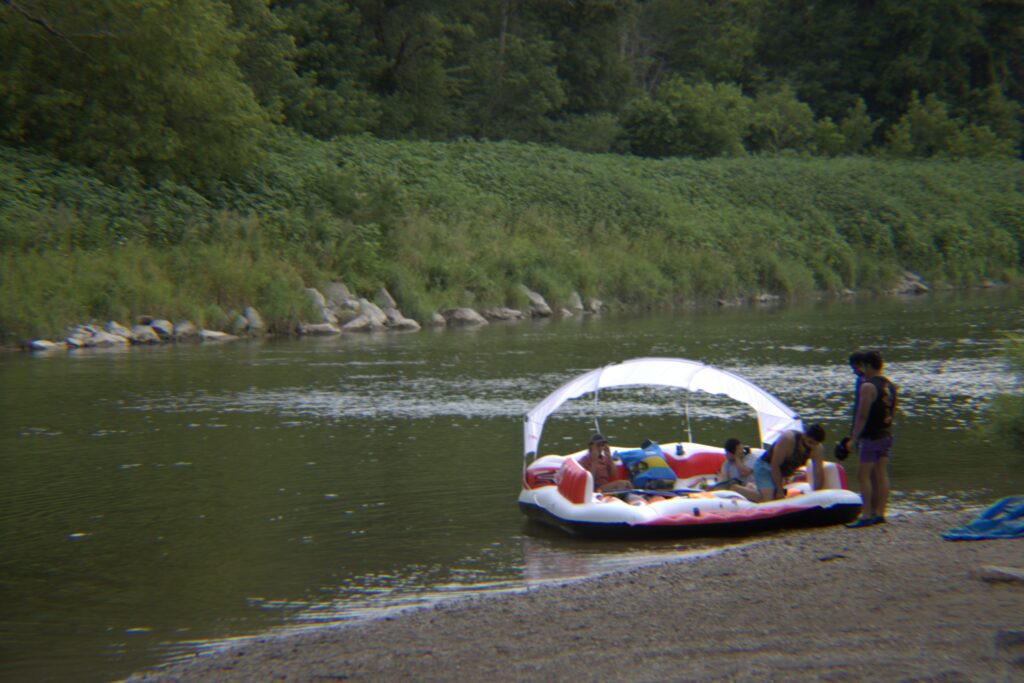
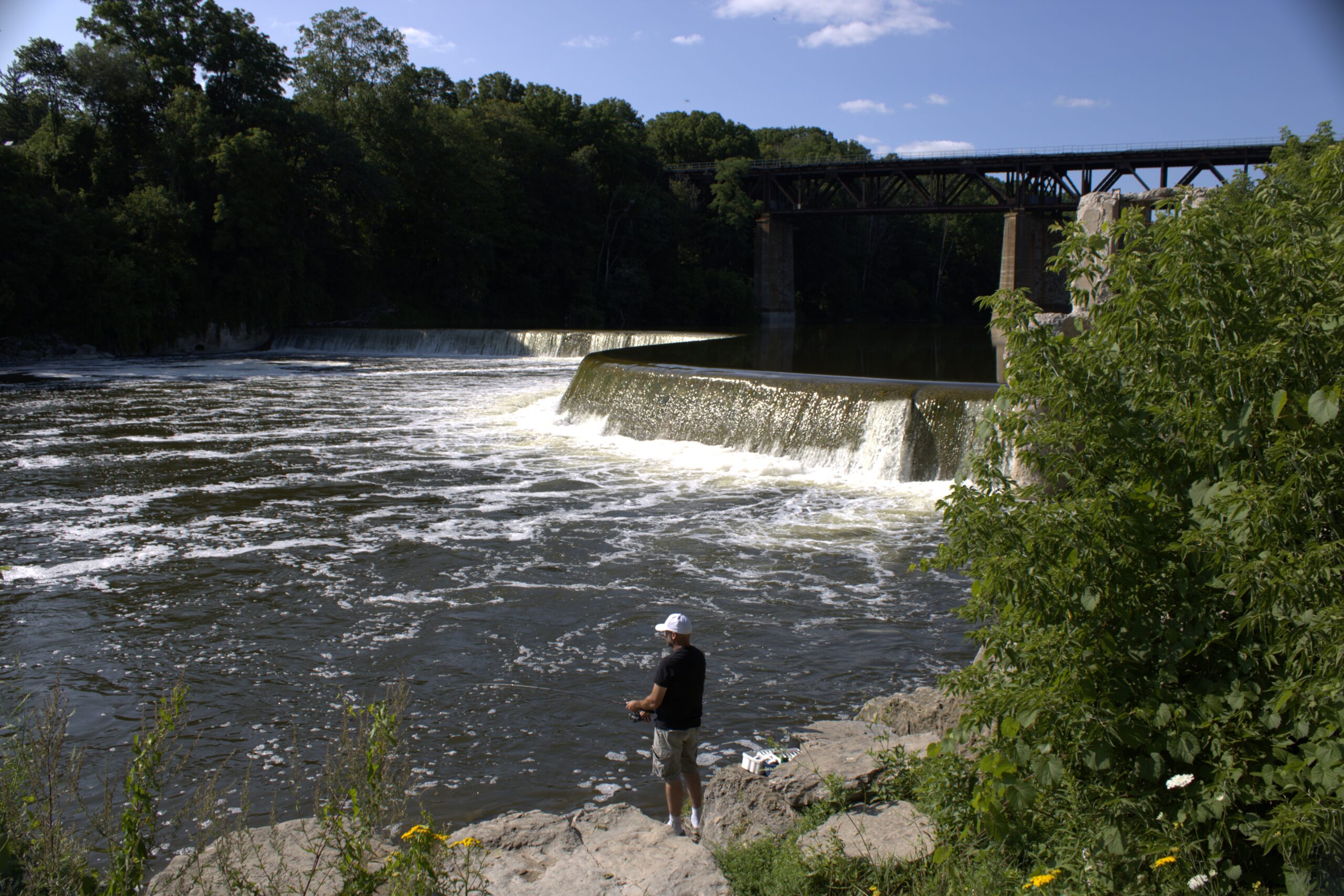
Grand River Conservation Authority (GRCA) called on people to be more cautious with the Grand River as National Drowning Prevention Week ran from July 19 to 25, 2026.
Although GRCA does not regulate the recreational use of the river, it does maintain 28 dams, watersheds and installs the warnings and buoys to keep the people using the river for recreational activities away from the dangerous spots.
“Water turning over a dam creates a powerful, trapped circle of water that can be extremely dangerous,” said Serena Catania, spokesperson for GRCA. She said the current can keep pulling you under, which is hard to navigate even for experienced swimmers or people using personal floating devices (PFD).
The conditions of the river can change dynamically, the rainfall can rise water levels quickly for several days at a time, making the flow much faster than usual. GRCA even provides life jackets at their conservation areas under their life jacket loaner program for people to use waterbodies safely and securely.
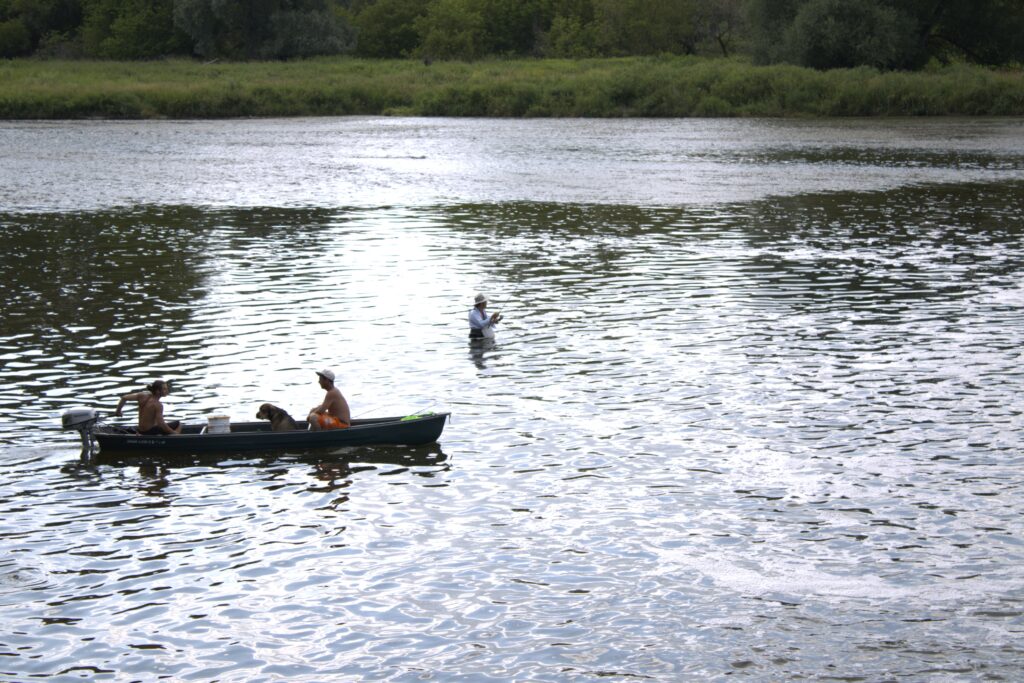
Ariel Saulnier, a local swim instructor from Paris, said the danger usually comes from a false perception of the river that people assume.
“Many incidents happen because people underestimate the river,” Saulnier said. “While some sections appear calm, shallow and safe, conditions can change very quickly.”
Saulnier also points out the dangers of doing recreational activities near the dams, as they are the most common hazards that people don’t really anticipate and make the mistake of going near them. The flow of these dams makes people trip over and causes them to get trapped and drown, even in shallow waters.
There are gaps in basic safety that show up early in young swimmers according to Saulnier, from a fear of submerging their face to overconfidence in the deep water before they can swim or float properly, her advice to families that head to open water are similar for the pools, that is to the correct use of PFDs, staying close to shores and the supervised areas and not swimming alone.
“If I had to choose one, it would be learning to stay calm in the water,” Saulnier said. “Panic can quickly turn a manageable situation into a dangerous one”.