
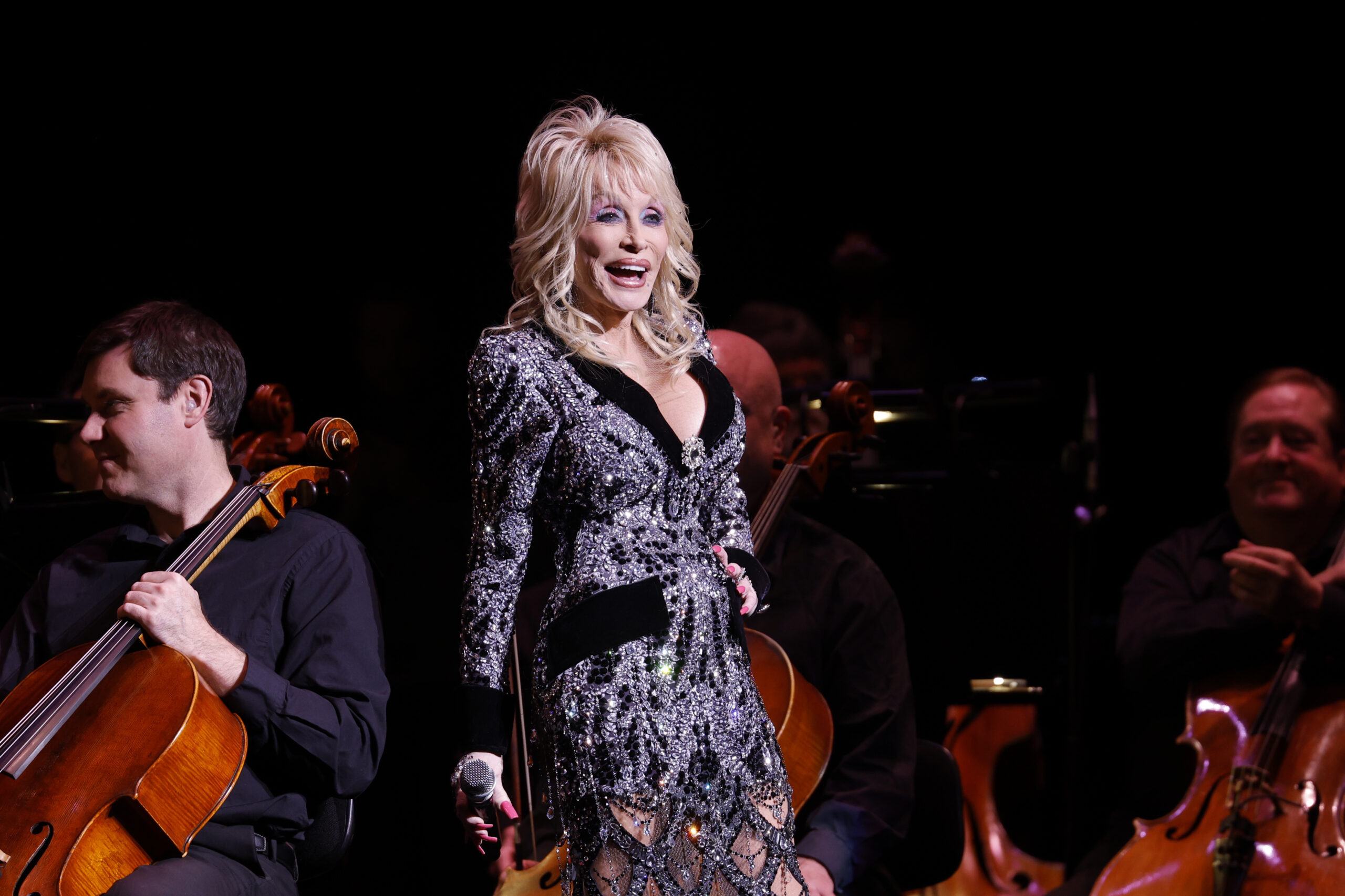
Judy Eaton, a psychology professor at Wilfrid Laurier University’s Brantford campus, says that when it comes to looking for a role model who can show us what it means to have a positive demeanour and an optimistic outlook, there are few better examples than Dolly Parton.
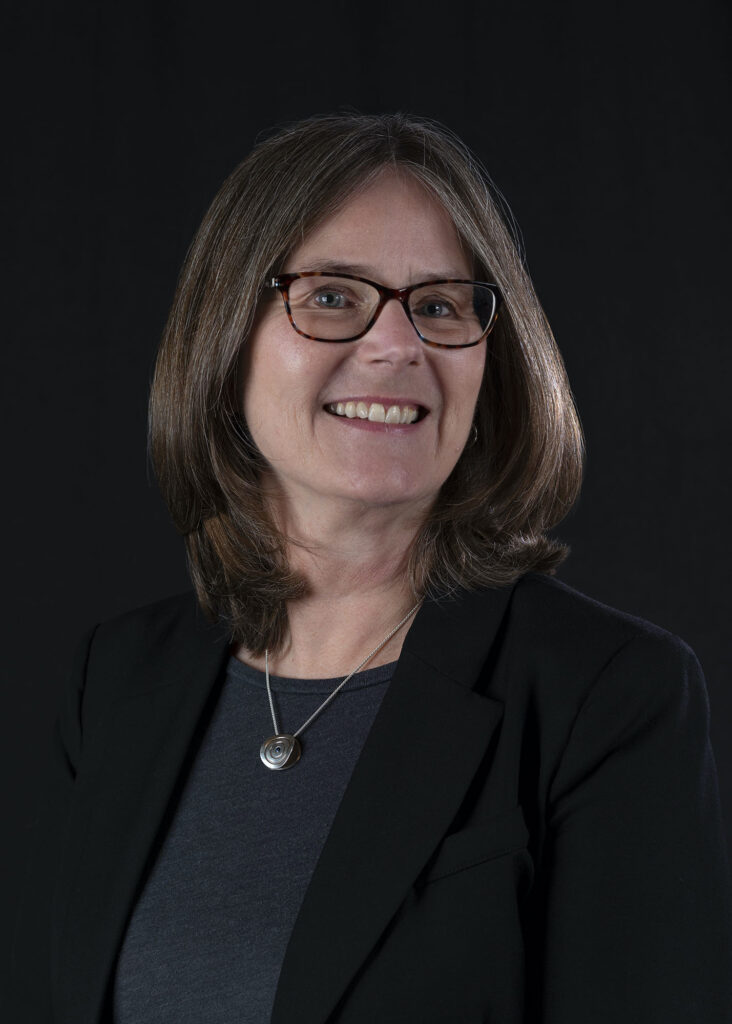
A long-time Brantford resident, Eaton earned her masters and PhD from York University and has been working at Laurier for just over 20 years now.
Building on her graduate work in social psychology, the professor has since continued to develop and focus her research on two main areas. The first focuses on the causes, consequences and resolution of interpersonal conflict, examining the roles of apology and other gestures of remorse in facilitating forgiveness. The second centres on positive psychology and exploring how evidence-based practices can help people thrive and flourish.
“When I did my graduate work, my focus was on apology and forgiveness, and my supervisor was working on workplace issues,” she said. “During that time, I learned a lot about how badly people are treated in the workplace, and how we need more forgiveness and more apologies. So that all sort of falls under the umbrella of positive psychology because psychology has all these great tools to help people when they’re struggling, but those same tools are really helpful for the rest of the people who aren’t struggling.”
“Whereas clinical psychologists and therapists take people from a place of suffering to a place of doing ‘okay,’ positive psychology can use those same tools to help people go from ‘okay’ to even better– to flourishing,” continued Eaton. “And so apologizing and forgiving sort of helps us get better; they can help us resolve minor and also severe conflicts, and help us get along better with each other, which in turn makes us all happier.”
So how exactly does Dolly Parton play into all of this?
“I’ve always been a fan, but I teach a course called Positive Psychology, and throughout that course, I found that I was always using her as an example of things, things like resilience, authenticity and just general happiness and gratitude,” explained Eaton. “She came up so often that I was thinking, ‘This is really interesting. She’s sort of an exemplar of using all the theories that we have in positive psychology, that we can just look to see how she does it.’”
“That got me thinking even further about how good of a role model she actually is, and not just for singers, but in terms of how she kind of exemplifies what we should all be aiming for when it comes to flourishing,” the professor continued. “…And the thing about her is, she’s consistent across all those areas. She really ‘walks the walk’ and ‘talks the talk.’ People’s first impression of her might be that she’s not an authentic person, but when you really look at what she’s doing, her charitable endeavors, what she says and even her music, it’s clear. I’ve done some research into the actual song lyrics that she uses and they’re all positive. She’s coming from a place of just pure, consistent positivity, which not that many people can say they do.”
Eaton went on to say that one of the things that stand out the most about Parton is her gratitude.
“She always talks about how grateful she is for what she has, especially given her backstory, you know? She came from poverty, and there were 12 kids in a tiny shack, but she’s still grateful for where she came from and I think it’s pretty magical that she still talks fondly of those days; she seems to realize what she got from that upbringing,” said Eaton. “We don’t know what goes on behind closed doors either, but we do know her life hasn’t been perfect, and yet she still comes to it from a place of gratitude. And I think for me, that’s what resonates because we all have something we can be grateful for.”
The professor added that in a world where pop music, and even country music. tends to use less and less positive language, Parton’s hasn’t.
“She’s always used positive language,” said Eaton. “And not all of her songs are positive; she sings about bullying, about social justice, she sings about loss, death and betrayal, just like all the other country singers do, but she does it in a way that’s framed really positively. It’s really interesting when you start comparing what she does to other artists.”
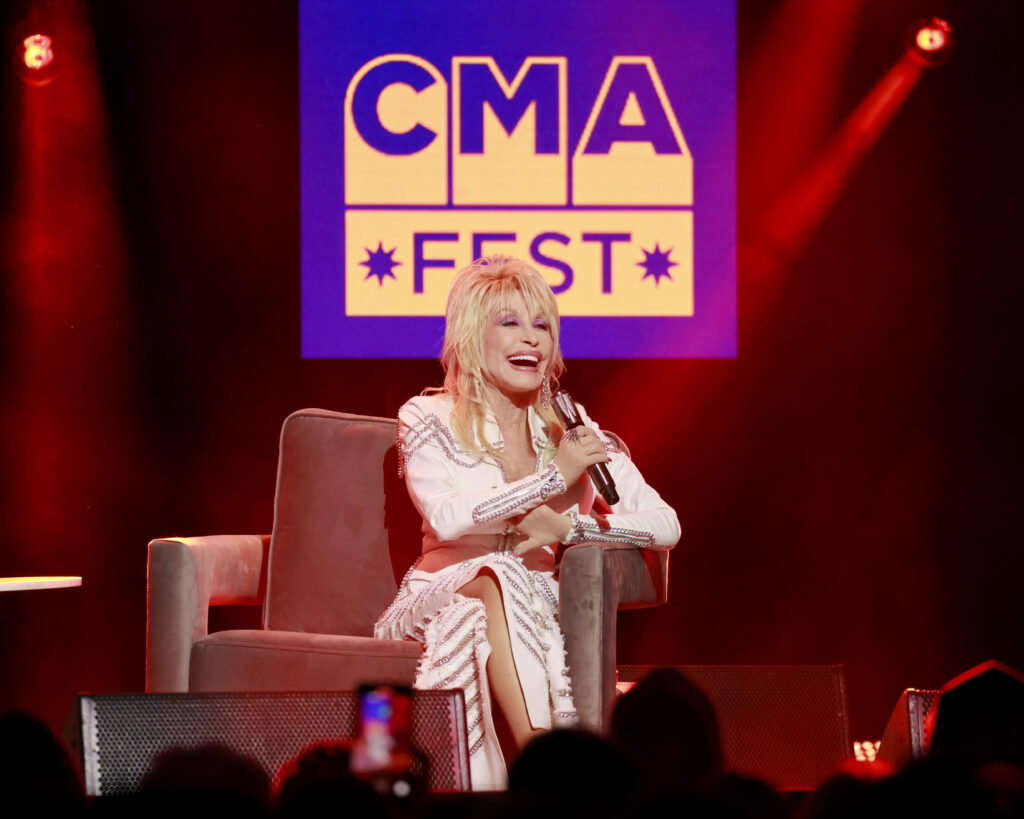
She said in a world where we need more love and kindness, it’s Parton’s championship of those exact qualities that we need to pass along.
“She’s been talking about kindness long before it became trendy to talk about being kind. Even on her 75th birthday, she asked for it to be declared a day of kindness. She basically said, ‘just do one thing for me, just be nice to each other,’ and my goodness, couldn’t we use more of that right now?” said Eaton. “The big question is, how do we pass that on? Because in our heads, we know how to be a good human, and yet it’s hard to sort of follow that. That’s why I like the idea of using exemplars with role models like Dolly, because she’s not telling everyone what to do; she’s not saying you should donate a million dollars to COVID-19 research or something like that, she’s just saying, ‘Here’s the way I’m living my life, and maybe we could all be kinder to each other.’
When asked how her students have reacted to her bringing up Parton in class, Eaton said she’s surprisingly created numerous fans.
“There’s always a danger when you’re older than your students, which I’m quite a bit older than many of them,” she said, with a chuckle. “But I figured, you know what? I’m just going for it. I’m going to talk about what my strengths are and what my passions are, and I think I’ve actually created a lot of Dolly fans over the years. Once they get past the whole, ‘oh, she looks fake,’ they start thinking, ‘she’s actually a really interesting person.’”
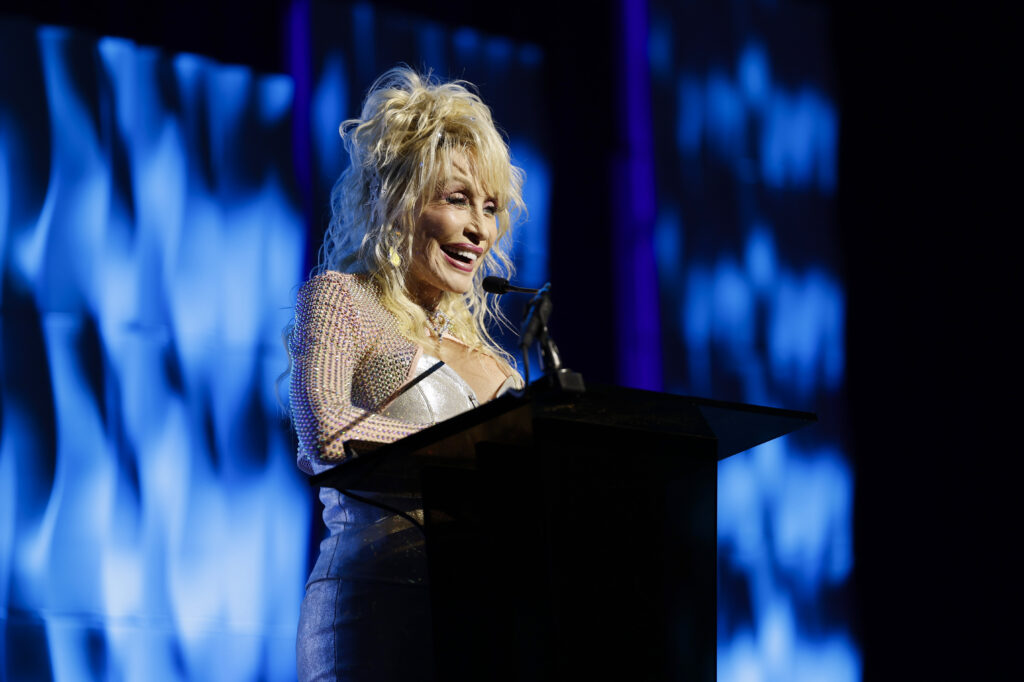
So what if Dolly Parton isn’t your cup of tea? What if you respect her and what she’s doing, but she doesn’t inspire positivity within you? Eaton suggests to keep looking for someone who does.
“If Dolly doesn’t do it for you, try to find exemplars who do. We all know what we’re supposed to do to be a good human, and we know we’re supposed to exercise regularly and eat healthy foods; we know the theories and the practices, but it’s hard to get from theory to action,” she said. “Sometimes all it takes is somebody that we respect, doing that thing to help nudge us along. So If Dolly is not your role model, find somebody else who could be and ask, ‘what would they do?’ And I find that that can sometimes be the thing that gets us from our couch to getting our butt out the door and doing good.”
Kimberly De Jong’s reporting is funded by the Canadian government through its Local Journalism Initiative.The funding allows her to report rural and agricultural stories from Blandford-Blenheim and Brant County. Reach her at kimberly.dejong@brantbeacon.ca.


