
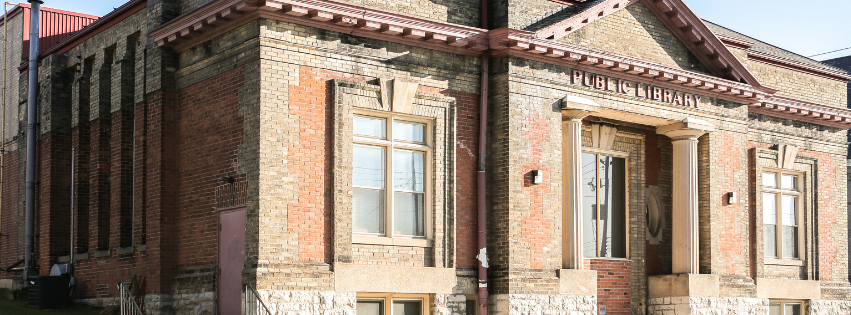
County of Brant Council unanimously approved phase one of the County of Brant Public Library Board’s new Central Branch Library Project Plan on Tuesday, July 28, 2026.
A four-phased approach, the Central Branch Library Project Plan outlines how a central branch will meet the increased demand for expanded library programs and services due to the population growth and social needs of a rapidly growing and aging community.
“With this approval, a new beginning for library service in the County of Brant has been made possible,” said Fred Gladding, Chair for the County of Brant Public Library Board. “A new Central Branch Library will literally open the door to the vibrant, 21st century library services that are essential for our growing community. We envision the new facility as a welcoming third space and primary destination that brings people together, supports lifelong learning, and serves as a hub for innovation, collaboration and connection across the County of Brant for generations to come.”
Backed by Council’s approval, phase one will direct $2.6M in previously approved Library/Bawcutt Centre funding to project development for the new Central Branch. This initial phase will finalize a property purchase in Paris, answer key technical and design measures including site analysis, and engage project management and architectural concept design services. Planning and design, construction, and opening phases are proposed to follow, pending Council’s approval at the end of phase one.
The Central Branch building size is proposed for 26,250 square feet, compared to 11,600 square feet of the current location. The build is intended to meet Statistics Canada data, which predicts population growth of 59,000 residents in County of Brant by 2051, with nearly half residing in Paris at 25,400.
The plan is part of a wider commitment to deliver social, environmental, and economic impact to the community. Designed with full accessibility and with ample parking, environmentally conscious features, urban integration and exceptional visibility, the new, larger facility will enable the Library to serve the community with expanded collection space access to technology and digital literacy training, individual and group workspaces, dedicated zones for families, teens and young children, and multi-use indoor and outdoor spaces for programming and events.
Funding sources are expected to include development charge revenue and fundraising, which will reduce the tax levy burden to between $10 and $13 million. The Central Library project is estimated to cost between $22.7 and $28 million and would open to the public in winter 2029.


