
Sonny Sinclair has enjoyed a career that many other musicians could only dream of: recording multiple albums, releasing an array of singles and playing countless live shows to audiences across Canada, the United States and Europe, all the while maintaining a strong personal life with many lifelong friendships, living in his beloved community of Brantford, and having a fruitful marriage.
Sinclair, however, who grew up into a family that loved music, would catch the musical bug himself.
“I was born and raised on a dairy farm in Brantford….and my folks were musical. My dad played banjo, and my mother played piano. She played classical music…and could play by ear…she was pretty accomplished. I had another sister who played piano too, and another sister who sang. I had a cousin about 20 years older than me who built houses by day, was a milkman, and played music on the weekends in Halton County. He’d come to the house two or three times a year and always bring his guitar. This was about the time I picked up a guitar at about age 11. My fingers were tiny, the strings were hard, and the action on the guitar was terrible. He helped me reorganize that and talked my folks into buying me a nice used Harmony guitar. Every time he came, he showed me a new guitar chord or where to put my fingers. So, we were a very musical family….and that’s a cool environment to grow up in.”
However, there was a night that changed the budding musician’s life.
“I remember I was at the farmhouse studying my cello lessons…hoping to be in the Brantford Symphony one day. It was a Sunday night, and my sister kept knocking on the door. She told me I had to come see the TV. I went in, and it was Elvis Presley. That was Sunday night. On Monday, I took my cello in and traded it in for a guitar. That was the end of my classical music, and once again I broke my parents’ heart, but I’ve always loved rhythm & blues, rock ‘n’ roll, country, and bluegrass,” he said.
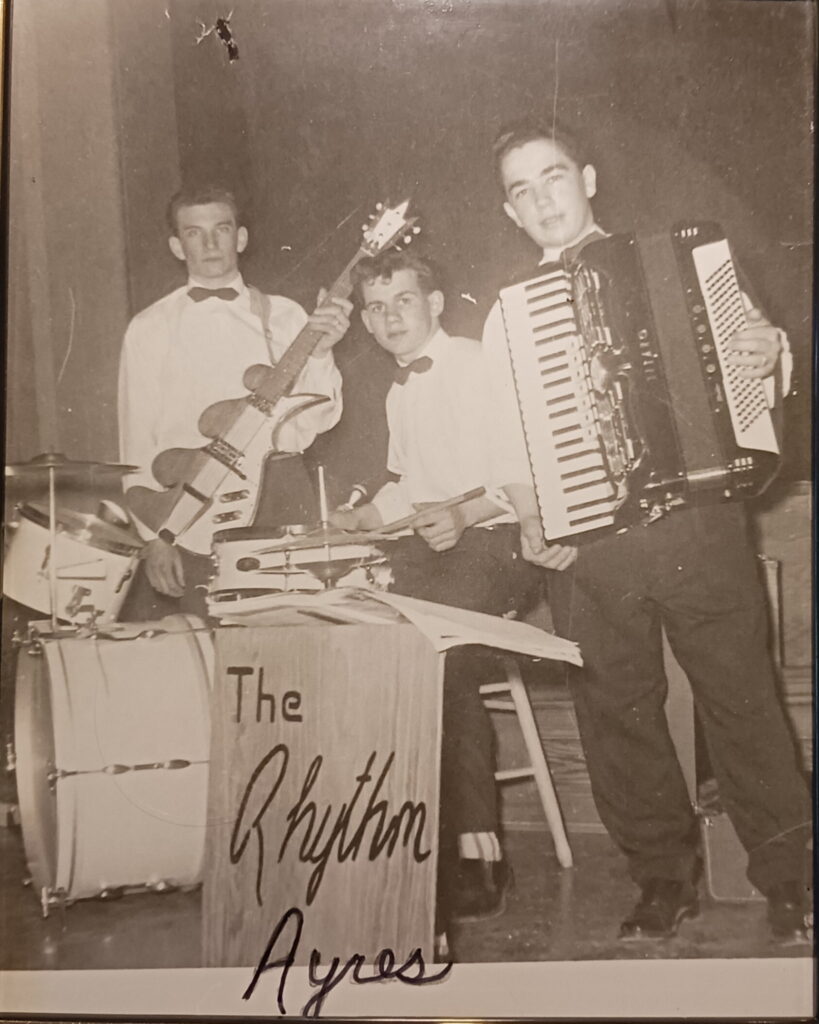
In high school, Sinclair would start his first band, doing school dances, which he enjoyed.
“The first band was the Rhythm Ayers…and we were all farm boys from Lynden Road. One was Donnie Meisner, who became a Baptist minister…Buddy Adams, whose dad owned Adams Seeds & Feeds, and me. Later on, we had another band called the Diplomats, with Frank DiFelice and Jerry DeFrancisco,” he said. “The first paying job that I ever had playing music was out on the Six Nations….in Ohsweken…and then, with these various bands, I would get to do dances, and smaller events in the community. We just went out there and did our thing and it was a lot of fun. Then as time went on…I started looking at playing bars and wondered if it was enough to make a living.”
Sinclair would then talk it over with his parents, coming up with a resolution, yet music wasn’t far off.
“My dad told me to try going to the OAC (Ontario Agricultural College) in Guelph for a couple of years before considering a musical [venture.] I agreed, but I wasn’t a very good student….because I’d been out of high school for quite a few years, and lost the art of being able to concentrate on studies….I was losing faith in the whole thing. And one day I saw a poster up….that they were going to have some entertainment in the big hall, so I thought I would check it out because I love music. Lo and behold, it was Ian Tyson and his wife, Sylvia, and they came and played to about 1,000 kids. They blew me away. I looked up there at that stage and those people sitting in the stands and thought to myself that this was something I wanted to do,” he said.
The budding musician would flunk out of college, and went back home forming a trio.
“Before long we left the farm and hit the road. We were doing six days a week…playing little lounges and bars around southern Ontario….which kept me very busy. That went on for a while…we changed members from time to time, and eventually we found our way over to Detroit. It was a Bunny-type club right in the heart of downtown Detroit…at that point it had the highest crime rate in North America, but it was a really nice club, and we got the royal treatment there,” he noted.
After six months successfully playing in Detroit, Sinclair and his band were back in Canada.
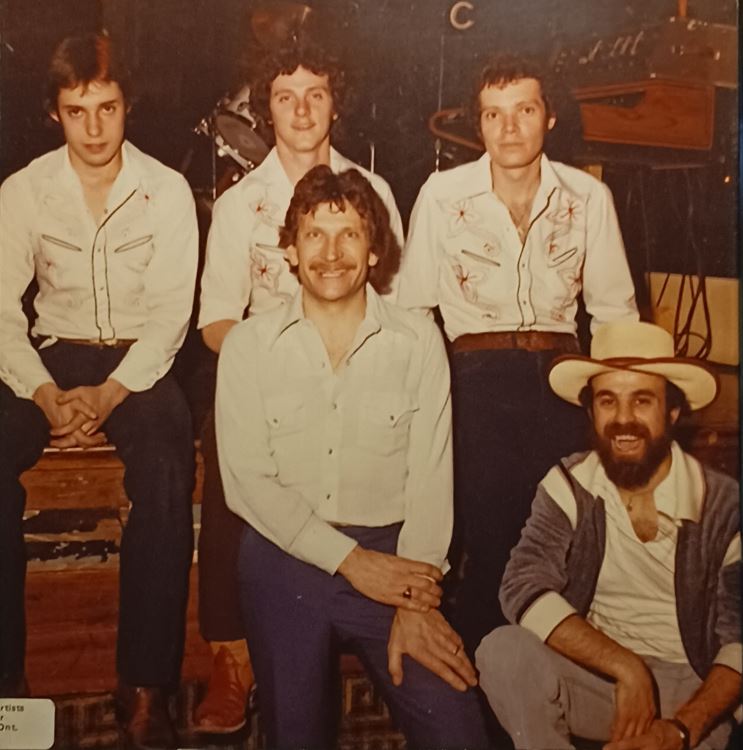
“Our Canadian agent had forgotten to book us gigs when we were in the United States…so we had a pretty dry spell. So, we decided that we needed to brush up on our material. One of our buddies had a friend that had a place in the area where we could rehearse. And that’s what we did for about a month; we sat down, got busy, and created a good show together. The next thing we knew, we got picked to play all across inns in Ontario, and we played about six or eight of those six nights a week for about five years. We had a wonderful following, and recorded our first record under the name of The Canadian Headliners. We did quite well,” he stated. “If you were at this Best Western (which was a Holiday Inn), we’d have lineups Monday night out there, for six nights straight. Then doing another week there, and every night of the week we had long lineups of people coming to watch us play. And the club was always full [as were] St. Catharines, Barrie, Brampton, Hamilton, Kitchener, and wherever we went all over southern Ontario. We branched into Ramada Inns, and then got into a chain in the United States, doing winters in Charlottesville, Virginia, a college town, and also in Fort Myers, Florida. Those were good times, and we got to take our wives along with us on these trips. As time went by, the band finally split, and each of the three guys went his own separate ways.”
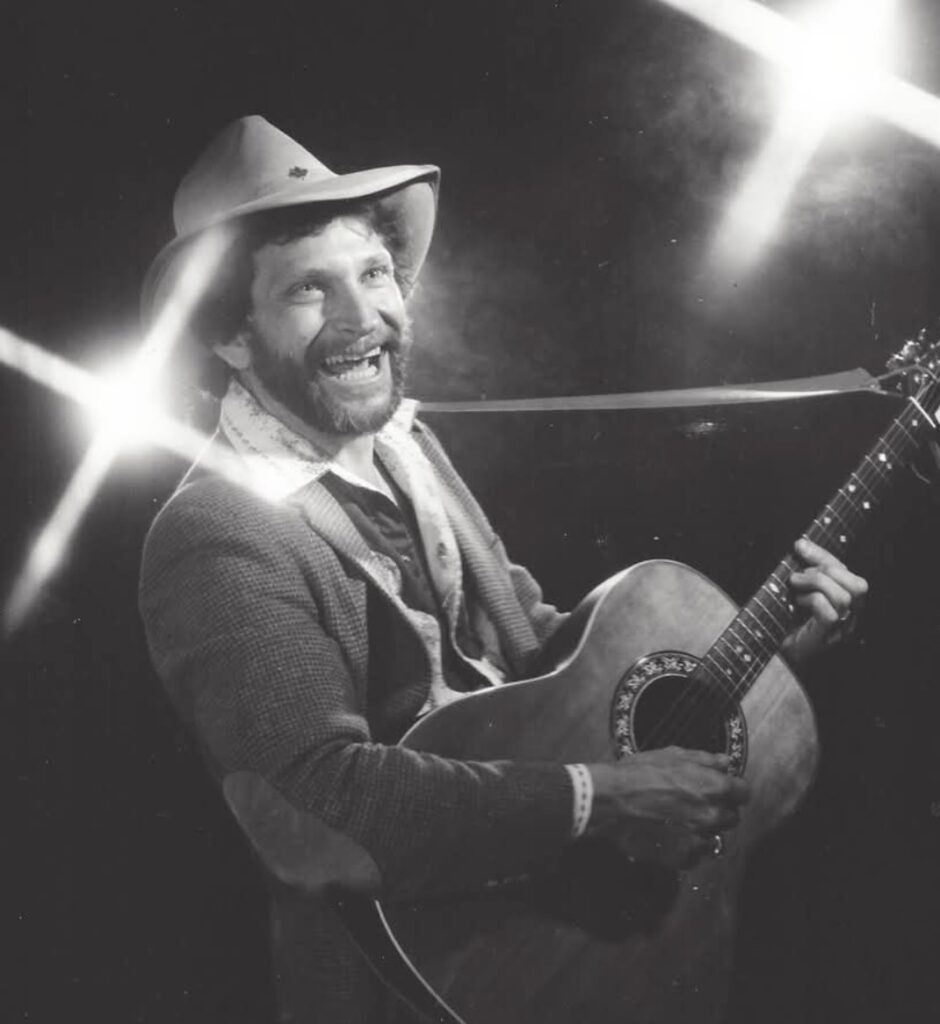
With a desire to write and record more music, Sinclair transitioned into a solo career in the middle 1970s, connecting with your entrepreneurial spirit by creating an independent record label and publishing company along with releasing his first album.
“I formed a record label called Rural Roots Records. I got the chance to write and record…and also press records [which I would] ship out to radio stations across Canada. We would mail out 250 singles to both AM and FM radio stations, predominantly country, but some crossover stations too. We would track if they were playing the records, how often they played it, and so on. It took a lot of work for my wife and I to do that, but we did it and released over a dozen singles that got radio play….one being a flag raiser called Heading Home Tonight. It reached number 23 on the top 100 and stayed on the chart for 18 weeks,” he said. “The first album I did was called Relations and Friends. I felt compelled to write a song called that for that one. It was a pretty homespun album, and it did well. There were about five singles pulled off of it that got airplay. The next album was called True Feelings. It was a little slicker and more streamlined. Most of it got played, and it was up for album of the year.”
But Sinclair would get the inch once again to get out on the open road and play live, eventually turning back to more local shows.
“I put together a four-piece band, all really good guys and good musicians. We hooked up a double-axle trailer to our 1978 Suburban, and we toured Canada back and forth quite a few times. Then after a while, I started to get a little bit burned out. I told my wife I wanted to scale it back…and got home…playing lounges, bars, and little festivals, and just trying to keep busy. Then I got involved in real estate with a couple of partners…buying these old beat-up places, putting some energy and money into them, fixing them up, and selling them for a profit most of the time.”
The veteran musician would then get a once-in-a-life-time opportunity to play overseas for close to a year.
“One night I was getting ready to go and do a gig in Hamilton. The doorbell rang. It was a friend of mine from London who had produced some of my records in Nashville. He had a booking agent from Holland with him and asked me if I was interested in playing there, which I was. Within a short time, I put together a nine-piece country music show band, and we flew over to Holland with our spouses as well. Our area where we played was around Rotterdam, but we toured half a dozen little cities and villages, doing festivals,” he noted. “My wife, Yvonne, and I were very fortunate, because all the musicians were billeted out. We ourselves were billeted with promoters of the Zevenbergen Festival who owned a café…we were introduced to one of the owners…and I remember him pulling out a great big [collection] of door keys…he then took out two and flipped them over to me…he explained one was for the bar and the other was for his house across the street. He looked at us and said: ‘We can’t be with you all the time, you and your wife have a good time,’…it was a very kind thing to do for total strangers from Ontario. But that was something that they had never forgotten…. what went on years earlier with our military helping out Holland during World War Two. We had a wonderful time there…came back home…and before I knew it, I was playing in a band again [while] making sure our roots were good where we lived with my wife and her dog, having a garden, plants, and good friends.”
Nevertheless, there was a particular memory that stuck out in Sinclair’s mind during his years of touring, especially in Canada.
“We were doing a western tour in the Rocky Mountains, a place called Hinton, Alberta. Absolutely gorgeous countryside. We were there in late May, and it was for six nights. We got set up, had supper, played the first set, and I was not feeling well. I was drinking lots of water, thinking it’s probably a 24-hour flu. In the middle of the night, I had the fiddle player drive me to the hospital. The doctor on duty said, ‘I’ve got to give you a drug here that’ll fix you up. Make sure you drink lots of water, flush your system out, and be careful what you eat.’ But the next day I felt worse. I had forgotten to warn the doctor that I was allergic to the drug he had given me. It swelled lots of body parts and turned them beet red,” he noted. “I called my doctor back at Brantford [and] I went to a second doctor out there, and he said, ‘Son, you’ve got beaver fever.’ As I tried to recover…I assigned my fiddle player to lead the band. My room was right above the stage, so I could hear every song they played. He was doing a great job carrying on, and I started to get a little bit better by midweek. When it came time to leave, we packed up and hit the road. Our next gig was 900 miles southeast of there in Assiniboia, Saskatchewan. That was the ride from hell. They had me in the back of the Suburban on a bunk. The bass player did the driving, and he’d never driven a standard before. At about 7:30 in the morning he hit the binders because a herd of five deer ran in front of us, but luckily, he was able to stop. We got into town, and the lady in the kitchen looked at me and said, ‘You look sick.’ With a lot of TLC from her, she made me milkshakes with extra eggs and some kind of broth. Within about two days I was fine. So that was my experience of the beautiful mountains of Alberta.”
And there was another memory, Sinclair recalled, where he played with a legend from Toronto at a gig in Brantford.
“This was when we were still scratching for work. I booked us into the Coach House…we played there, sleeping in our own beds. One night, our lead guitar player, Kenny Marco, a lifelong resident of Brantford, had a musician friend in to hear the band. I knew him well, and asked him to come up on stage to sing a couple tunes, but he declined. I asked him one more time at about quarter to one in the morning, and he agreed,” Sinclair said. “He came up and sang his ass off; it was fantastic, and the crowd went absolutely crazy. The manager, when he was paying me that night, said, ‘I don’t know who that guy was when you got up on stage, but you’ve got to get him in your band.’ I responded, ‘You don’t know who that was? That was David Clayton-Thomas from Blood, Sweat & Tears!”
Along his own musical career, Sinclair has also been involved in other ways including being an advocate for other musicians.
“When I was president of the Brantford Musicians Association, under the American Federation of Musicians, we had up to 400 members across Brant, Norfolk, and Oxford. I got in and served two terms. I was usually in the office at least once a week helping the paid secretary carry out duties., So, there was always lots to do including going to conventions in London, Ontario, Toronto, Hamilton, Las Vegas and helping other musicians,” he stated. “I was always pushing for local musicians to become a member…in order to apply [and] get hooked into a pension. The hardest thing on earth is trying to sell a pension to a new member who might be 18 or 25 years old, because at that age you think you’re never going to get old. But I kept pushing with that [while] always preaching to our members: when you play, play for money, and not to give away your talent.”
Nevertheless, over the years, the veteran musician has continued with several bands, as well as recording Heading Home Tonight in 2016.
“Route 66 was myself and a lifelong friend of mine, Ross Goyit, who sang and played bass. We did anniversary parties, birthdays, and retirement homes. He was the guy who went on the road with me way back in the 1960s, so he came back for a second go at it. We did this for a couple of years …and then I formed a band called the Cool Trio with bass player Peter Arthur, myself on guitar and harmonica….and we’d usually have a really good sax player like Al Newhouse or Chris Walton. Sometimes we’d add James Anthony on guitar. That group played supper clubs, the Brantford Golf & Country Club, and a couple of New Year’s Eve parties,” he said. “I didn’t have a CD at that time, so I took pet songs from my first two albums and released some singles we had done down in Nashville, and put together a “Best Of” CD. It got pretty good traction and got me some work. That was my latest release, but I’ve written and published tunes since then.”
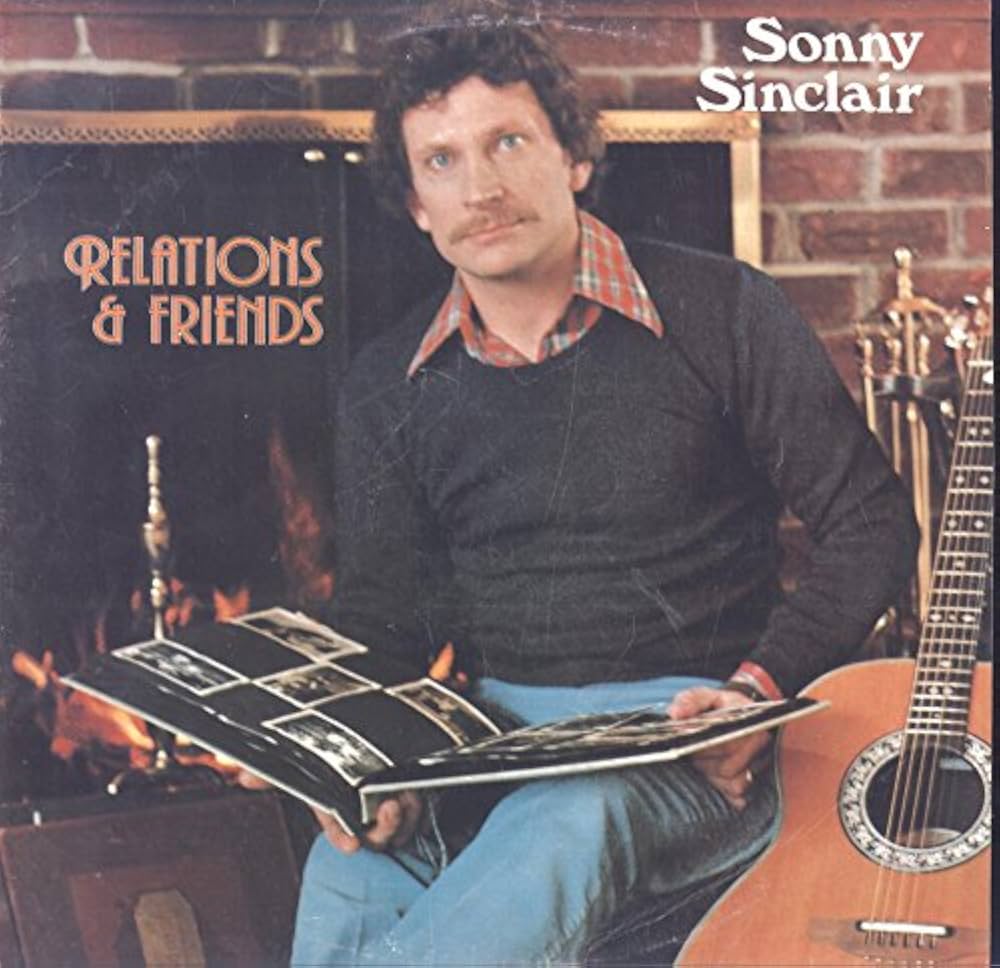
When it comes to songwriting, Sinclair has focused on what he enjoys, rather than catering to radio.
“When you are trying to get radio play….music directors might say a song is too country or not country enough [and] you start thinking on how you can fit those standards. But, with my writing now, I feel much freer…and don’t worry if it’s too country or not country enough; I just put down what I feel and try it out with audiences. Recently I’ve hooked up with Greg Zaluski, who runs a songwriters’ forum at the Polish Hall on Pearl Street in Brantford. I’ve been invited a couple times to try songs out, and that’s been a nice outlet to get a reading from the audience,” he said.
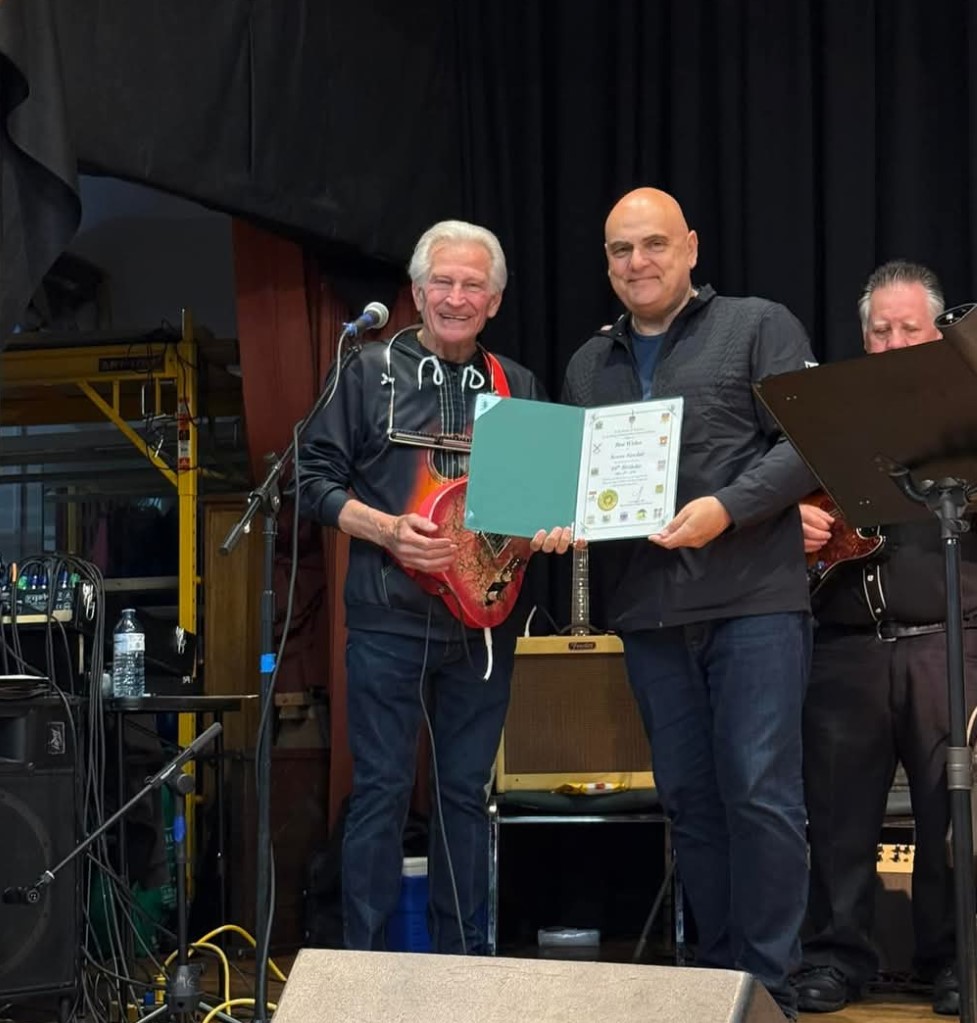
Recently in May 2026, Sinclair did a special birthday jam, inviting several musical guests and also doing it for a good cause.
“Brian Grove, a very close friend of mine, was the driving force behind this event as well as doing the fundraiser for the food bank. Close to 200 people joined me at Sydenham Heritage United Church Hall with people who wanted to hear live music and be there for a good cause. A total of 13 musicians came out [including] Nancy DiFelice, who ran the jazz festival for years in Brantford with her husband Frank, sang some songs with us. And another good friend of mine, Larry Mercey from the Mercey Brothers….came out of retirement to help us out and sing some tunes and raise some money for charity. We raised around $2,500 cash and collected two huge barrels of non-perishable food. It was a great turn out and amazing to see many of my friends while helping out those in need.”
Reflecting on your musical career, tell me some of the big highlights and things you’ve learned, as well as goals going forward.
“I consider myself fortunate…I live close to the reserve near the Grand River, and it’s peaceful out here. I have a wonderful wife who has been by my side during this journey…and going through this roller coaster that is the music industry [while] maintaining a strong marriage. I have two sisters I dearly love, and have many good friends through the community. I love playing guitar as much as I do sing, and have kept fit which is a number one priority…as I’ve had illnesses such as cancer and double hernias. But thank God we’ve come through all these up and downs….and at the moment, I’m healthy and doing the things that we love. I am so grateful to experience what I have…I always try to cherish each moment with those I love…and reflecting on memories whether it has been with my bandmates on the road, taking trips with my wife, playing music or helping in the community whenever I can.”


